

Polygon Labs announced in January 2026 that it has agreed to acquire two U.S. crypto firms, Coinme and Sequence, for more than $250 million in combined deals. The goal is to broaden its regulated stablecoin payments capabilities in the United States while building what it calls the Polygon Open Money Stack.
This move marks a clear shift in how blockchain infrastructure companies are thinking about regulated money movement and real-world payments. Polygon is no longer positioning itself only as a scaling layer for web3. It is stepping into the regulated payments arena.
The Acquisitions Explained
The first part of the transaction is Coinme. Founded in 2014, Coinme is one of the earliest licensed digital currency exchanges in the United States. It operates money transmitter licenses covering 48 states, provides enterprise API and SDK services through white-label crypto-as-a-service, and maintains a network of more than 50,000 physical retail locations where users can convert cash to crypto and back.
Coinme also runs licensed wallet infrastructure and serves over one million users through its payment applications. For Polygon, this means immediate access to regulated fiat rails and an operational footprint that would normally take years to build.
Sequence, the second company in the deal, brings advanced wallet infrastructure and cross-chain tooling. It offers smart wallets and a system for one-click cross-chain transactions. The aim is to let users move value across multiple blockchains without managing bridges, swaps, or gas fees themselves.
Together, these acquisitions deliver three building blocks for Polygon’s upcoming platform: regulated on- and off-ramps, wallet infrastructure, and cross-chain orchestration.
What This Means for Payments Infrastructure
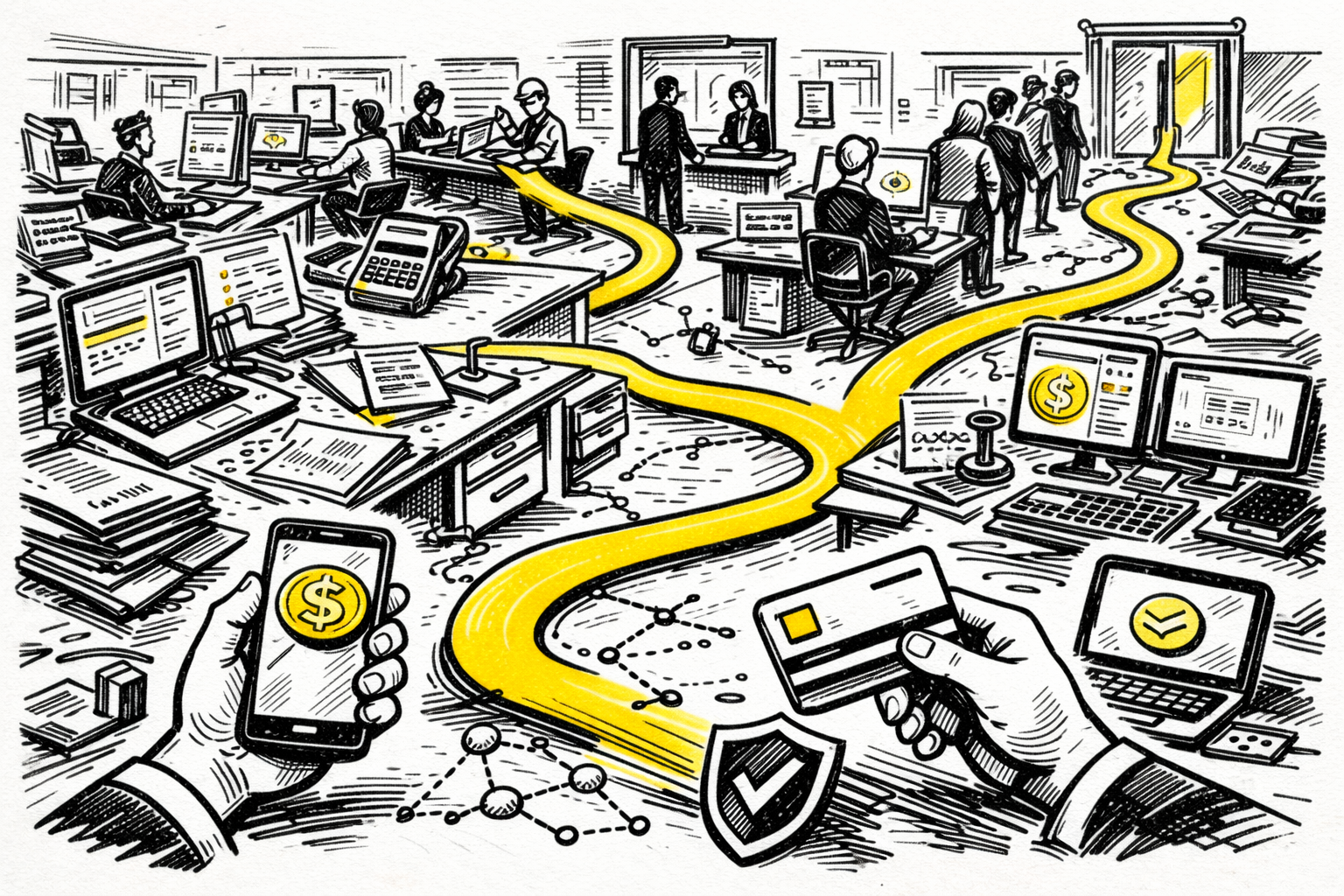
Stablecoins have grown into serious settlement instruments, especially for cross-border transfers and on-chain commerce. Yet the layer that connects fiat money, regulation, and blockchain rails remains fragmented. Companies often stitch together multiple providers, each with its own constraints and compliance burden.
By bringing licensed fiat rails and wallet infrastructure into its own ecosystem, Polygon can offer developers and businesses a more unified payments stack. That has practical implications.
Fintechs can embed compliant payment flows without assembling half a dozen vendors. Stablecoin settlement becomes easier to connect to traditional banking systems. Product teams can focus on user experience instead of regulatory plumbing.
This is less about crypto speculation and more about operational finance.
The Strategy Behind the Move
Polygon’s leadership has framed this as an evolution into a regulated payments entity in the U.S. market. The initial focus is business-to-business payments, with room to expand later.
Rather than competing head-on with existing card networks or banks, the strategy leans toward partnership. The goal is to make stablecoin rails usable inside real financial workflows, not just inside web3-native products.
The Open Money Stack is meant to combine regulated components with on-chain settlement in a single platform. It is positioned for banks, enterprises, fintechs, remittance providers, and merchants that want to experiment with or adopt stablecoin payments without rebuilding their entire infrastructure.
Key takeaways for fintech startups
These developments highlight several patterns that are becoming hard to ignore:
- Real-world payments still depend on regulated fiat access and compliance, even when settlement happens on-chain.
- Regulatory coverage can be a strategic moat, not just a cost center.
- Integrated stacks reduce complexity for both builders and end users.
- B2B adoption often opens the door for broader market reach later.
- Stablecoins are increasingly treated as infrastructure, not experiments.
Where this leaves builders
For fintech teams, this signals a shift from fragmented crypto tooling toward more enterprise-grade, regulated platforms. The building blocks for compliant stablecoin payments are becoming more accessible, but they still require careful product and regulatory design.
If you are exploring how stablecoins, blockchain rails, or new payment flows fit into your roadmap, this is a good moment to step back and think structurally.
If you want an outside perspective on how these shifts affect your product or strategy, contact us or reach out. We help fintech teams turn complex infrastructure changes into clear, workable plans.


