
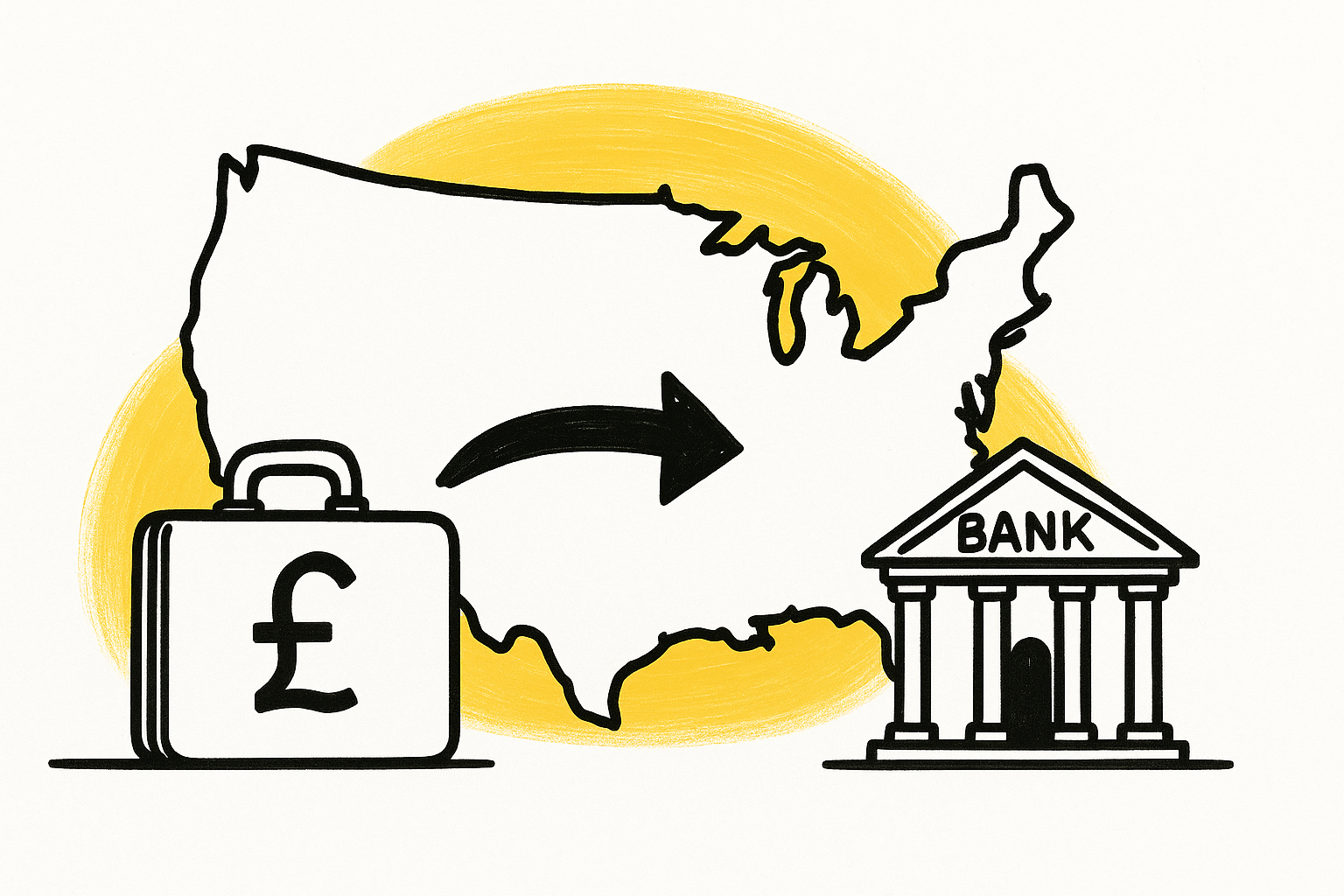

For years, the U.S. has been the promised land for UK fintechs. The market is massive, but the regulatory gates are slow to open. Revolut and Starling are among those exploring a radical shortcut: buying a U.S. bank outright to inherit its license.
It’s not the first time we’ve seen this play. In 2021, LendingClub took a similar path by acquiring Radius Bank. The result? Immediate access to a national banking charter, without waiting in the regulatory queue. For UK players, it’s a way to leapfrog the uncertainty of applying for a new license from scratch.
Why buy instead of build
The problem with applying for a new U.S. charter is time. It can take years — if approval comes at all. Regulators are cautious with fintechs, often requiring additional scrutiny around risk management and governance. Acquiring an existing bank shortcuts that process. Along with the charter, fintechs also gain a regulatory relationship that has already been tested.
But with speed comes baggage. Legacy technology, outdated processes, and compliance liabilities don’t disappear once the ink dries. The buyer has to absorb and modernize them.
The challenges ahead
For a UK fintech, the “buy to enter” model isn’t just about writing a cheque. It comes with structural hurdles that can make or break the deal:
- Regulatory approvals: U.S. regulators will closely examine foreign ownership and management readiness.
- Integration complexity: Digital-first cultures don’t always blend easily with traditional banking staff and systems.
- Balance sheet pressure: Owning a bank means meeting capital adequacy requirements and managing liquidity buffers.
- Risk oversight: Enhanced governance, compliance, and audit standards apply the moment the deal closes.
Key takeaways for fintech startups
For fintechs looking at cross-border expansion, the UK-to-U.S. “buy to enter” path offers both opportunity and risk. Consider these lessons:
- Shortcut with strings: Acquiring a bank provides immediate licensing, but also legacy baggage.
- Execution matters: The acquisition is only step one; integration is where the real battle begins.
- Regulators first: U.S. approval is not guaranteed — foreign fintechs must demonstrate maturity and resilience.
- Capital commitment: Buying a bank isn’t a paper exercise. It requires balance sheet strength and long-term investment.
- Blueprint for others: If successful, Revolut, Starling, and peers could set a precedent for UK fintechs entering the U.S.
The U.S. is too big to ignore, but too complex to enter casually. For fintechs weighing this strategy, the question is not just can you buy: it’s whether you can integrate and operate at the scale regulators and customers expect.
If your fintech is evaluating U.S. expansion or considering acquisition as a growth route, get in touch with Your Fintech Story. We help startups navigate growth strategies that balance ambition with execution.


