

Spanish banks BBVA and CaixaBank have completed Europe’s first interbank Request-to-Pay (RTP) transactions. In a live pilot during April and May 2025, the two banks – working with clearing house Iberpay – processed payee-initiated requests in a controlled test environment. Each request was instantly settled via SEPA instant transfer once approved by the payer, demonstrating seamless real-time execution.
The pilot, governed by the EPC’s SEPA RTP scheme and cleared by Iberpay, confirmed that instant rails can support RTP 24/7. With full interoperability and immediate settlement achieved, this marks a significant step toward digitising non‑recurring payments such as invoices and public charges across the SEPA region.
What is RTP?
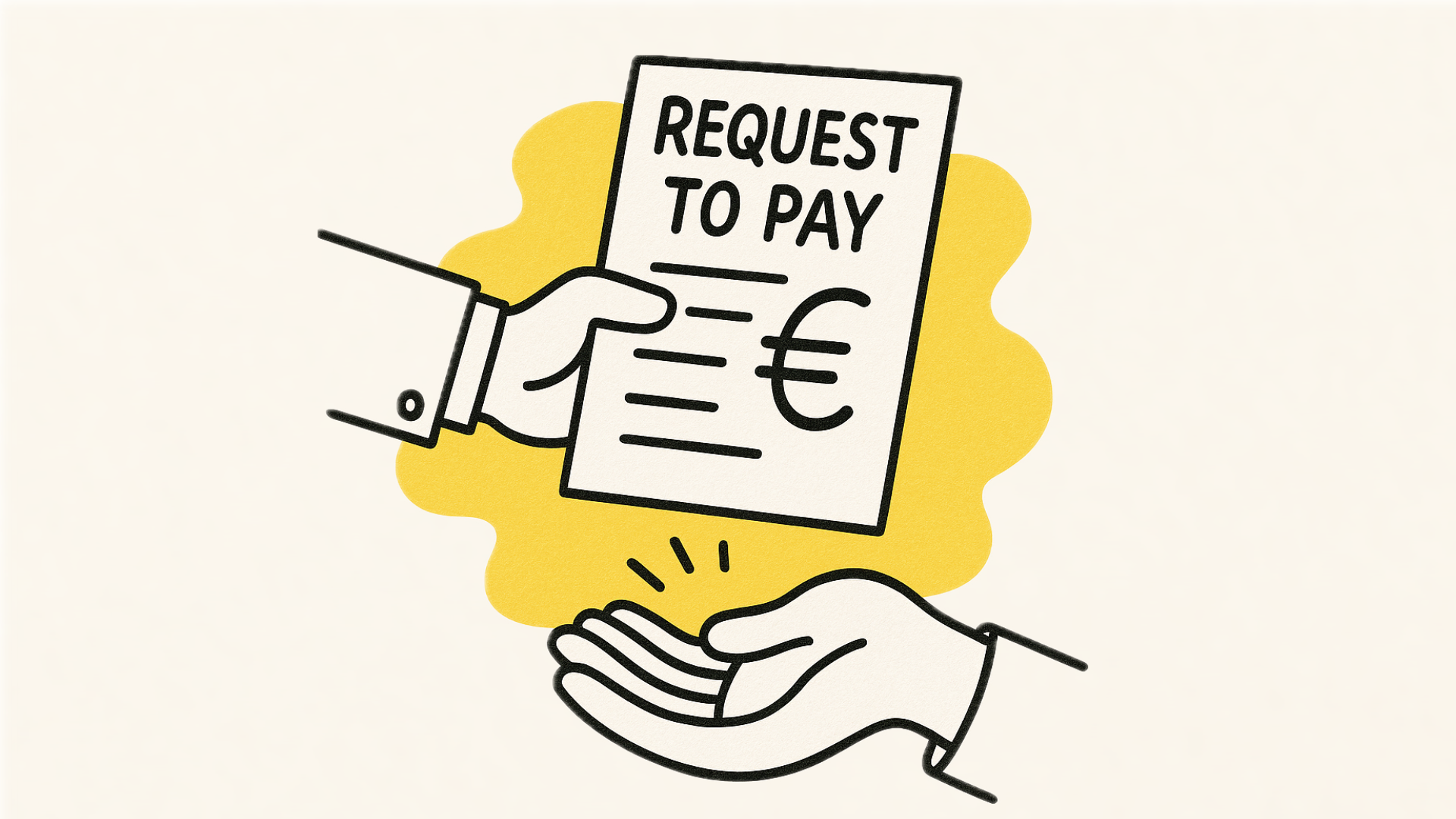
In this context, “RTP” (Request-to-Pay) refers to a payment protocol built on real-time rails. Under the EPC’s SEPA RTP scheme, a payee (for example, a vendor or service provider) sends a digital request for payment to the payer (such as a customer or debtor). The payer can immediately authorize the request, at which point the payment is sent by instant transfer and becomes available to the payee instantly. This is fundamentally different from traditional SEPA Credit Transfers or one-off direct debits, which typically involve batch processing and slower clearing times. By contrast, RTP operates continuously (24/7) and combines the convenience of digital invoicing with the immediacy of instant payments.
- Payee-initiated workflow: Under RTP, the payment flow is inverted. The seller or service provider generates the payment request; the buyer then authorises it. This streamlines collections and gives the payer full control and confirmation. The funds move in real time as soon as approval is given .
- Instant settlement: Because RTP leverages SEPA’s instant-payment rails, transactions clear immediately. Once approved, funds are received “ready to spend” in the recipient’s account. This eliminates the lag of traditional credit transfers (which can take hours or days) and is useful for time-sensitive B2B invoices or utility and tax payments.
- Standardisation (EPC scheme): The SEPA Request-to-Pay (SRTP) scheme, developed by the European Payments Council, provides a unified technical and legal framework for these requests across all euro‑area countries. It was explicitly designed to digitize processes like business invoicing and public-sector charges, potentially replacing less efficient methods (for example, single-use direct debits).
- Enhanced cash‑flow management: By modernising how payment requests work, RTP can speed up invoice payments and reduce reconciliation overhead. Businesses no longer need to manually chase payments or wait for batch clearings; the request + approval model automates and accelerates the receivables cycle.
Key Takeaways for Fintech Startups
Here are five key insights fintech startup leaders should keep in mind as real-time payments move closer to mainstream adoption in Europe.
- Early Adopters Will Lead: Startups that integrate RTP early can gain a clear edge. Spain already leads in instant payments, and adoption is rising across Europe. Adding real-time pay-request flows to apps or platforms helps attract customers seeking speed and control.
- Embedded Payment Potential: RTP creates new embedded finance opportunities. Fintechs can build RTP into invoicing, ERP, or accounting software to offer clients seamless, on-platform payment experiences.
- Be Standards-Ready: RTP is built on SEPA and EPC frameworks. Startups should align with SEPA RTP and ISO 20022 standards early to ensure compliance and readiness for broader rollout under PSD2/PSD3.
- Innovate Around Use Cases: RTP unlocks models like instant bill pay, dynamic billing, and real-time financing. Fintechs in B2B, public services, or tax tech can build competitive features around these flows.
- Collaborate to Scale: The pilot shows incumbents are serious about RTP. Fintechs should seek collaboration with banks, PSPs, or clearing houses to accelerate adoption and gain industry credibility.
Want to explore how RTP could fit into your fintech strategy? Get in touch.


