Healthcare payments are still negotiated in the dark. Most providers feel it every day.
Anomaly just raised $17M in new funding, bringing total capital raised to $34M. The round was led by Sound Ventures, with participation from Alumni Ventures and existing investors including Link Ventures, Redesign Health, and RRE Ventures. The company is focused on one problem: providers do not actually see how payers behave at scale.
A system built on blind spots
Healthcare providers lose billions every year through denials, underpayments, downgrades, and delayed reimbursements. On paper, contracts define what should be paid. In reality, payments often deviate due to policy updates, interpretation shifts, and layered review systems.
Most health systems only see the outcome of a claim, not the pattern behind thousands of similar decisions. Payers, meanwhile, operate with far more structured intelligence infrastructure. That creates a persistent imbalance in visibility.
What Anomaly actually changes
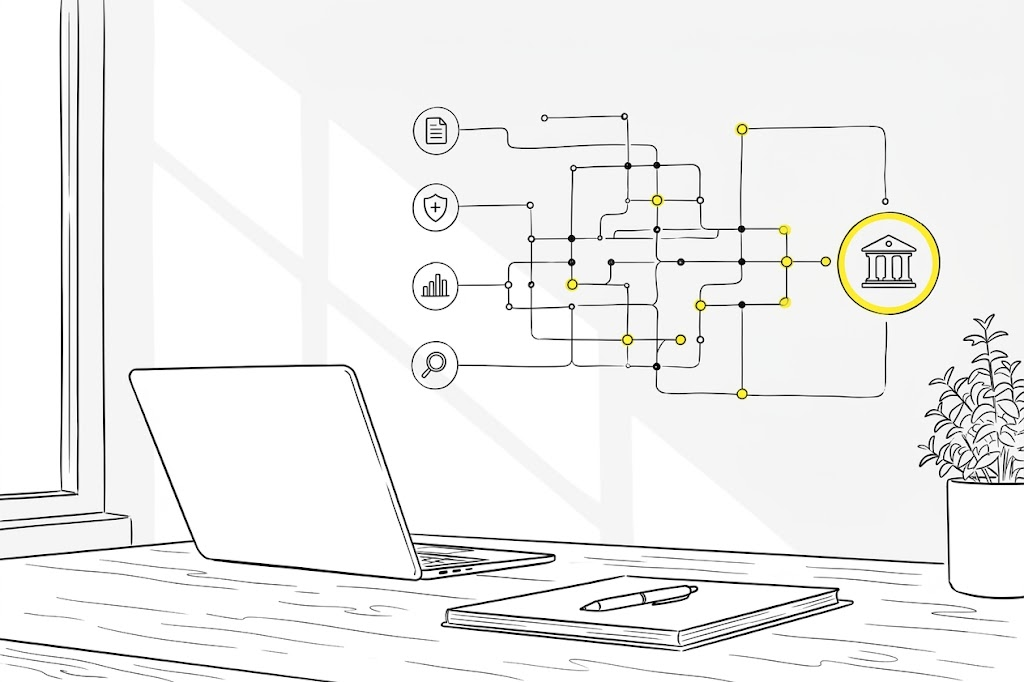
Anomaly analyzes billions of healthcare transactions in real time. The goal is not just to flag denied claims, but to connect them into behavior patterns across payers.
It tracks how reimbursement decisions shift across claims activity, contract terms, policy changes, and adjudication behavior over time. Instead of reacting to denials one by one, providers can start seeing how those denials are generated in the first place.
The same dataset is used in two places: day-to-day revenue cycle operations and higher-level managed care negotiations.
From fixing claims to understanding payers
Early results suggest the impact goes beyond operational cleanup. Anomaly has helped recover tens of millions in revenue and contributed to measurable changes in payer behavior across health systems, labs, and RCM organizations.
More than 20 health systems are now using the platform, including large providers with over $4B in annual net patient revenue.
The shift is subtle but important: from managing denials to understanding payer behavior as a system.
Why this matters in practice
For many provider organizations, payer negotiations and claim operations still live in separate worlds. That separation limits what teams can see and act on.
When patterns become visible, conversations with payers also change. Discussions move away from individual claims and toward repeated behavior.
Internally, it also changes how teams prioritize work. Not everything looks like an isolated issue anymore.
Key takeaways
- The core shift is from reacting to denials to understanding payer behavior in real time
- Healthcare reimbursement is driven by payer behavior patterns, not just contract terms
- Providers still operate with partial visibility into how decisions are made at scale
- Anomaly turns transaction data into payer behavior intelligence
- The platform connects revenue cycle execution with managed care strategy
If you are building or scaling a fintech product, Your Fintech Story can support your strategy, positioning, and growth roadmap. Reach out to explore how to turn market opportunity into execution.