Category: Uncategorized

  • New UK rules ahead for Klarna and BNPL players

    New UK rules ahead for Klarna and BNPL players

    Big changes are coming for Buy-Now, Pay-Later (BNPL) in the UK. Earlier this month, HM Treasury announced that the days of BNPL operating like the “wild west” are numbered. Starting next year, the sector will face proper regulation, bringing millions of shoppers stronger protections and giving fintechs a clearer rulebook to grow from.

    Over 10 million people in the UK currently use BNPL products. Until now, they’ve had little in the way of safety nets if things went wrong; no affordability checks, no ombudsman support, and often confusing refund processes. That’s about to change.


    What’s actually changing?

    Under the new rules, BNPL providers will need to play by the same rules as other consumer credit firms. That includes:

    • Upfront affordability checks to stop unaffordable borrowing

    • Clearer information so users know exactly what they’re signing up for

    • Faster access to refunds when purchases go wrong

    • The right to complain to the Financial Ombudsman Service

    This is all part of the government’s broader Plan for Change, aimed at modernising consumer finance and giving households more financial stability. According to Economic Secretary Emma Reynolds, the reforms are designed to protect working people while helping BNPL firms grow with confidence.


    Out with the old, in with the flexible

    The changes don’t stop at BNPL. The government is also reforming the 50-year-old Consumer Credit Act; replacing it with a more modern and flexible framework. Oversight will shift to the Financial Conduct Authority (FCA), cutting outdated red tape while keeping consumer protection front and center.

    For fintech founders, this shift is big. It signals a move toward clearer rules, more regulatory certainty, and a level playing field for newer products like BNPL. The consultation on this kicked off in late 2024, and now the government is following through – with legislation already being laid in Parliament.


    Key takeaways for fintech startups

    Here’s what this regulatory shift means for founders and fintech teams working in or around BNPL:

    • BNPL regulation is coming: Start preparing now if you offer or plan to offer split-payment products.

    • Affordability checks will be non-negotiable: Creditworthiness tools or partnerships will be key.

    • Stronger consumer protections = more trust: Faster refunds and formal complaint rights could boost user confidence and brand reputation.

    • Regulatory clarity helps with growth: Investors and partners are more likely to back products that are FCA-compliant.

    • The Consumer Credit Act overhaul matters: Fintechs working with lending, credit, or payment innovations should track these reforms closely; it could impact your entire roadmap.

    These aren’t just rules to follow. They’re guardrails that could help the BNPL model mature and scale sustainably.

    Need help adjusting your strategy or staying compliant? Talk to us. We help fintech startups grow.

  • Airwallex Raises $300M at $6.2B Valuation: How a Cross-Border Fintech Took Off

    Airwallex Raises $300M at $6.2B Valuation: How a Cross-Border Fintech Took Off

    Singapore-based Airwallex just raised a fresh $300 million in Series F funding, bringing its total capital to over $1.2 billion and boosting its valuation to a lofty $6.2 billion. That’s not a typo; six point two. The news, reported on their website, makes Airwallex one of the region’s standout fintech unicorns, backed by big names like Tencent, DST Global, and Salesforce Ventures.

    So how did a company that started in Melbourne in 2015 go global, attract over 150,000 customers, and convince some of the world’s savviest investors to keep the money flowing, especially in a fundraising climate that’s been anything but warm?

    Let’s break it down.


    What Makes Airwallex Special

    In a world still struggling with outdated banking rails, Airwallex decided to redraw the map. They’ve built a global financial infrastructure from the ground up with products that support multi-currency accounts, virtual debit cards, expense management, and payment plugins for digital-first businesses.

    But this isn’t just another cross-border payment tool. Airwallex serves over 150 countries and handles more than 60 currencies, helping companies like Qantas, Rippling, Shein, and JD.com move money across borders like it’s just another Tuesday.

    “We’re building a new foundation for the global economy; fast, seamless, and built for scale.”

    — Jack Zhang, Co-founder & CEO, Airwallex

    Their annualized revenue hit $720 million this year, up 90% year-over-year, and they processed over $130 billion in payments. Numbers like that don’t go unnoticed.

    What Airwallex really nailed was doing the hard stuff early. They didn’t just chase growth, but they made sure the foundations could actually support it. That meant locking in licenses in tricky markets like Hong Kong, Australia, Brazil, and Mexico, so they could move fast without tripping over regulations. And on the tech side, they built with developers in mind: clean APIs, easy integrations, no Frankenstein systems.


    Why Investors Are Still Saying Yes

    In a quarter where venture deal values in Asia-Pacific dropped 32% (KPMG), Airwallex raised one of Australia’s largest private funding rounds in the past five years. Why? Because their value proposition is laser-focused on solving global-scale pain points.

    As Paul Bassat from lead investor Square Peg put it, Airwallex meets the “critical needs for a large and growing cohort of global-first, digital-first companies.”

    Translation? The world’s going borderless, and traditional banking can’t keep up. Airwallex is positioning itself not just as a facilitator, but as a platform to replace the old system altogether; fast, seamless, and built for scale.

    The trust of major backers like Tencent, DST Global, Visa Ventures, and Salesforce Ventures doesn’t hurt either.


    What’s Next for Airwallex

    Airwallex is pushing beyond payments and into banking, asset management, and retail investing, with licenses now in Hong Kong and Australia. They’re also scaling into Latin America, with operations now in Brazil and Mexico.

    And yes, the whispers of an IPO in 2026 are getting louder.

    In a competitive field where even giants like Stripe and Revolut are eyeing the same prize, Airwallex has carved out a space by being relentlessly focused on infrastructure, user experience, and global regulatory readiness.

    It’s not just fintech. It’s financial architecture, reimagined.


    Key takeaways for fintech startups

    • Solving big pain points pays off: Airwallex succeeded by tackling a huge, global problem; outdated cross-border finance systems

    • Infrastructure beats hype: Building a strong, scalable backend helped them earn trust and serious capital

    • Investor confidence comes from clarity: Their sharp focus on enterprise-grade offerings for digital-first businesses makes them an attractive bet

    • Going global requires local expertise: Licenses in major markets (Brazil, Mexico, Hong Kong, Australia) are helping them move fast, but compliantly

    • Diversification is strength: Expanding into asset management and investment services sets the stage for long-term growth


    Big vision, but need the right playbook? We help fintech startups build strong positioning, clear messaging, and real traction. Reach out.

  • Wero and Revolut? No Statement Yet. But the Pieces Fit.

    Wero and Revolut? No Statement Yet. But the Pieces Fit.

    A fresh round of buzz is making its way through the European payments world; and it’s not just about another product launch. According to exclusive reporting by finanz-szene.de, British fintech giant Revolut is said to be joining the European payment wallet Wero as a scheme member. That’s right: Wero, the still-developing brainchild of the European Payments Initiative (EPI), may soon be getting a serious boost.

    Now before we all jump to conclusions; this news isn’t officially confirmed. The article cites unnamed insiders and sources within the EPI environment, describing the deal as “relatively fresh” and still making the rounds behind closed doors. While not officially announced, the information is already making the rounds among insiders.


    Unconfirmed but logical

    If true, this would be a notable move. Until now, EPI and Wero have been primarily a playground for Europe’s legacy banks. Revolut would be the first digital-native fintech player to join the initiative, marking a potential turning point in Wero’s go-to-market story.

    That kind of ambition lines up with Revolut’s broader European strategy. As Antoine Le Nel, Revolut’s Chief Growth & Marketing Officer, recently put it:

    “Our ambition is clear: we want to become the largest banking group in Europe, revolutionising banking and offering cutting-edge financial services to customers across all 30 EEA countries.”

    – Antoine Le Nel, Revolut’s Chief Growth & Marketing Officer

    In that light, plugging into a pan-European wallet like Wero sounds like a logical next step.


    So what’s actually happening?

    Based on the report, Revolut would not become a shareholder in EPI (at least not yet). Instead, it plans to offer Wero as a payment solution to its customers; essentially signing on as a ‘scheme member.’

    The motivation is clear: Wero’s existing services – like its P2P payment function – need scale and traction. And Revolut? Well, it’s famously good at bringing new features to market at speed. Insiders hope that Revolut’s involvement will pressure banks to stop dragging their feet and finally roll out more ambitious features, such as Wero for e-commerce.

    Participants from EPI, including Deutsche Bank, Postbank, Sparkassen, and Genobanken, might now find themselves facing a new kind of partner-slash-competitor; one whose product teams treat ‘agile’ like a verb, not a buzzword.


    Key takeaways for fintech startups

    • Partnerships matter. Revolut’s rumoured entry into Wero (if confirmed) shows how big players can influence ecosystem momentum.

    • Being first counts: Revolut could become the first fintech to join Wero, signalling that traditional banking consortiums are opening up to more agile digital entrants.

    • Wait for the facts: While insider leaks like this one can indicate direction, they’re no substitute for confirmed announcements. Make sure your roadmap reacts to reality, not just headlines.

    Want to make sense of fast-moving shifts in fintech and turn them into strategy? Talk to us. We help startups grow with the right mix of insight, positioning, and execution.

  • Story of Wise: Wanted Fair Rates. Oops, Built a Fintech Empire.

    Story of Wise: Wanted Fair Rates. Oops, Built a Fintech Empire.

    Wise (formerly TransferWise) is one of those rare fintechs that didn’t just chase hype but built something genuinely useful. Founded in 2011 by two Estonian friends living in London, Taavet Hinrikus (who, fun fact, was Skype’s very first employee) and Kristo Käärmann, Wise set out to fix a painful, universal problem: hidden fees and bloated exchange rates in international money transfers.

    Fast forward to May 2025, and Wise now has over 15.6 million active customers moving £145+ billion a year across borders. With products spanning personal accounts, business tools, and a powerful API platform, Wise has quietly become one of the most influential fintechs out there; without ever pretending to be a bank or throwing out the word “disrupt” every 10 seconds.

    Let’s break down their journey; one “up” or “down” at a time.


    A Personal Pain Becomes a Global Product

    Year 2011. Two Estonian guys in London, tired of bank fees, started exchanging money with each other; one got paid in euros, the other in pounds. They matched exchange rates, avoided fees, and thought… “Hey, why isn’t everyone doing this?”

    How they pulled it off: They built a peer-to-peer platform that made this smart workaround available to the masses. No markups, no mystery fees; just real exchange rates.

    Lesson for fintech startups: Your pain point might be someone else’s too. Solve it well enough, and you’ve got a business.


    From Side Hustle to Hottest Startup

    Within a year, TransferWise moved €10 million. Not bad for a project born out of frustration. By 2015, they were shifting over £500 million a month. Investors noticed. Peter Thiel’s Valar Ventures came on board, and Richard Branson gave it the thumbs-up too.

    How they did it: Smart marketing (like mock “protests” in London), solid UX, and a laser focus on one product done extremely well.

    Lesson for fintech startups: Simplicity scales. Nailing one valuable use case can open doors.


    Actually Profitable

    Unlike many fintechs burning through VC cash like it’s bonfire night, TransferWise quietly hit profitability in 2017.

    How they did it: Sustainable margins, customer loyalty, and resisting the temptation to expand too fast or too wide, too soon.

    Lesson for fintech startups: Profitability isn’t just possible — it’s a moat.


    Wise Up: The Rebrand

    TransferWise wasn’t just about transfers anymore. With business accounts, debit cards, and multi-currency features, the name didn’t quite fit. So in 2021, they became Wise; clean, global and future-proof.

    How they did it: A thoughtful rebrand tied to product evolution, not vanity. They kept their identity and customer trust intact.

    Lesson for fintech startups: Rebranding isn’t about new logos. It’s about reflecting who you’ve become.


    Going Public the Wise Way

    Instead of the typical IPO hassle, Wise went for a direct listing on the London Stock Exchange in 2021. No bankers setting prices, no hype machine, just straight to market. It worked. Wise debuted at a £8.75 billion valuation.

    How they did it: Confidence, a loyal customer base, and a brand that sold itself.

    Lesson for fintech startups: There’s more than one way to go public. Choose what fits your DNA.


    Regulators Come Knocking

    Not everything was smooth sailing. Wise got heat from the Belgian central bank in 2022 over anti-money laundering practices. Then in 2025, the U.S. CFPB fined them $2.5 million for remittance rule breaches; including, awkwardly, promoting inaccurate fees.

    How they handled it: Wise accepted the findings, updated processes, and doubled down on compliance investment; a humbling reminder that scale invites scrutiny.

    Lesson for fintech startups: The bigger you get, the more you need to act like a grown-up. Especially in compliance.


    Oof, That Share Price

    Wise warned of slower income growth in 2023. Cue investor panic and a £1 billion drop in market cap. Not ideal.

    How they responded: By sticking to fundamentals. Despite the drop, Wise stayed profitable and reminded the market it wasn’t built for quarterly stunts.

    Lesson for fintech startups: You can’t control markets, but you can control your business. Stay calm. Keep building.


    Expanding into Investment Products

    In 2024, Wise snagged an Australian Financial Services Licence, allowing it to offer investments to Australian users. It’s a big step toward becoming a global financial utility, not just a transfer tool.

    How they did it: Licensing, smart partnerships, and a playbook that’s been working since day one: build, test, then scale.

    Lesson for fintech startups: New geographies and products are great, but only if you’ve earned the right to expand.


    Where Wise Is Heading Now

    As of 2025, Wise is still pushing the boundaries of transparent, efficient global finance. They’re investing in infrastructure, growing Wise Platform (their B2B API offering), and slowly, steadily changing how money moves around the world.

    They’re not the flashiest fintech. But in a sector that loves drama, maybe being quietly excellent is the most disruptive thing of all.

    Need help telling your fintech startup’s story? Let’s get in touch; we help fintech founders craft narratives that build trust and drive growth.

  • Visa’s New Program Could Save Fintechs Months of Setup

    Visa’s New Program Could Save Fintechs Months of Setup

    Visa has launched a new program to make life easier for financial institutions and fintechs looking to work more closely together. Announced on May 21, 2025, Visa Commercial Integrated Partners aims to improve how Visa’s commercial products are embedded into third-party business applications, using a mix of APIs, partner collaboration, and streamlined onboarding.

    This is not a dramatic technology overhaul. Rather, it’s a structural improvement designed to accelerate commercial innovation across the fintech ecosystem.


    Reducing Barriers for Commercial Payments Innovation

    The new program offers a way for fintechs and business application providers to integrate Visa payment capabilities into their platforms more efficiently. The big idea? Let financial institutions that use Visa’s commercial platform tap into these integrations without needing to build direct technical connections to each application; think ERP systems or fleet management tools.

    “Visa Commercial Integrated Partners represents a significant step forward in our mission to empower financial technology providers and financial institutions with innovative digital payment solutions.

    -Darren Parslow, Global Head of Visa Commercial Solutions

    That could mean less time spent on custom development, less cost for banks, and faster time to market for integrated solutions.


    A Real-World Example: Car IQ

    Visa highlighted Car IQ, a company in the fleet and vehicle tech space, as one of its first partners in the program. Through this collaboration, Visa’s financial institution clients will be able to access Car IQ’s software and enable in-app payments using virtual cards (for example, at fuel stations) without extensive supplier onboarding or development.

    Visa says this model could help partners avoid 18 to 24 months of due diligence and project management, which is a substantial gain for anyone familiar with how long these types of integrations can take.

    Car IQ’s CEO, Sterling Pratz, explained that enabling vehicles to act as payment credentials opens the door for issuing banks to recapture spend that currently flows through legacy programs or closed-loop networks.


    More Options for Banks, Less Development Work

    By joining the program, financial institutions gain access to pre-integrated fintech partners and embedded virtual card payments across ERPs, expense platforms, and mobile apps. They also benefit from enhanced transaction data and controls, along with solutions built on consistent security and privacy standards.

    Visa’s Darren Parslow, Global Head of Visa Commercial Solutions, noted that the goal is to help partners innovate faster and deliver better payment experiences while reducing their development and distribution costs.

    Importantly, this initiative also enhances the commercial offerings that banks can deliver to their own clients, helping them stay competitive in a fast-moving market.


    Built for Global Scale, Adapted to Local Markets

    Visa is positioning the program to serve both multinational institutions and local startups. The framework supports consistent integration models across regions, while giving Visa and its partners the flexibility to meet local data, security, and compliance standards.

    By working closely with regional fintechs, Visa aims to ensure that its solutions work not only globally, but also relevantly in each market.


    Key takeaways for fintech startups

    If you’re operating in commercial payments, fleet, ERP, or embedded finance, here’s what Visa’s new program means:

    • It simplifies the path to embedding Visa commercial payment solutions into business platforms.

    • Financial institutions can use integrations already built by fintechs like Car IQ, reducing the need for direct technical builds.

    • The program may significantly cut down the time and cost of onboarding for both fintechs and banks.

    • Visa is offering a structured way to bring commercial payment solutions to market faster, while aligning with regional requirements.

    Your Fintech Story supports startups with strategy, marketing, and execution. Let’s talk about how we can help you grow.

  • U.S. Stablecoin Bill Advances: What Fintech Founders Need to Know

    U.S. Stablecoin Bill Advances: What Fintech Founders Need to Know

    The United States is making a move toward serious digital asset rules with the GENIUS Act (Guiding and Establishing National Innovation for U.S. Stablecoins). While the acronym leans ambitious, the bill itself is focused on creating the first federal framework for stablecoins backed by U.S. dollars and used for payments.

    With stablecoins showing up in everything from fintech apps to international transfers, the regulatory fog has started to worry lawmakers. The GENIUS Act steps in with actual structure: clear requirements for reserve backing, transparency, and licensing. In other words, it’s a shot at turning stablecoins into something the traditional financial system might actually invite to the table.


    Key takeaways for fintech startups

    Here’s what fintech startups should keep in mind as the GENIUS Act moves forward:

    • The Act lays out the first comprehensive federal rules for U.S. payment stablecoins; bringing long-needed clarity to the space.

    • That clarity can help fintechs build smarter partnerships and stay ahead on compliance.

    • Startups looking to issue or work with stablecoins should be ready for tighter standards around reserves, audits, and KYC.

    • The political attention on some issuers is a reminder: strong governance and transparency aren’t optional. They’re strategic.

    • Keeping an eye on how the bill evolves will be key for staying aligned and competitive as the regulatory landscape takes shape.


    If the GENIUS Act goes through, it could unlock some real doors for fintechs. With stablecoins finally getting a regulatory stamp of approval, startups could build with more confidence; think smoother cross-border payments, B2B use cases that don’t involve five intermediaries, and digital wallets that don’t feel like side projects. It could also make conversations with banks and institutional partners a lot less awkward. In short: regulation might finally give fintechs the green light to get serious (and creative) with dollar-backed digital money.


    Momentum in the Senate

    The Senate advanced the GENIUS Act with a 66–32 procedural vote, clearing a key hurdle and setting the stage for full debate. The bipartisan support signals growing alignment around the need for clearer rules in the fast-moving stablecoin space.

    “The GENIUS Act has been a long time coming, and my goal in this process was to ensure that we have a clear regulatory framework for stablecoins that promotes innovation while protecting consumers.”

    – Senator Cynthia Lummis


    As the bill moves into full debate, both policymakers and industry leaders are paying close attention to how the final wording could shape the direction of digital payments—and the role stablecoins will play within it.


    Key Provisions of the GENIUS Act

    The GENIUS Act outlines a clear set of regulatory standards for U.S. payment stablecoins:

    • Federal registration – Issuers will need to register with a designated federal agency.

    • 1:1 reserve backing – Stablecoins must be backed by cash or U.S. Treasury securities at all times.

    • Transparency and audits – Monthly disclosures and independent audits will be required to ensure accountability.

    • Redemption rights – Consumers must be able to redeem stablecoins at face value, on demand.

    • AML and KYC compliance – Issuers and intermediaries must meet standard anti-money laundering and customer verification requirements.

    • Restricted issuance – Only authorized entities will be permitted to issue payment stablecoins within the U.S.

    Together, these measures are designed to support a more secure, transparent, and reliable environment for stablecoin use within the broader financial system.


    Implications for the Crypto Industry

    If approved by the Senate, the GENIUS Act will move to the House of Representatives for further consideration. While other proposals – like the STABLE Act and FIT21 – are also in play, the GENIUS Act currently offers the most detailed blueprint for stablecoin oversight.

    The bill has drawn cautious support from parts of the fintech and crypto sectors, though major issuers such as Circle (USDC) and Tether (USDT) have yet to formally endorse it.

    If your fintech startup is exploring stablecoin-based solutions, now is the time to align with federal regulatory developments. Contact us to build a strategy that supports growth and compliance in a changing landscape.

  • Google’s AI Checkout Shows What Frictionless Really Means

    Google’s AI Checkout Shows What Frictionless Really Means

    At Google I/O 2025, the company announced a major upgrade to online shopping: a new AI-driven feature called agentic checkout, part of its broader AI Mode experience. This marks a shift from search-and-click to AI-assisted shopping, where discovery, decision-making, and even purchasing are increasingly supported by automation; but with the user firmly in control.


    Checkout, On Your Terms

    Agentic checkout allows users to track a product’s price and set preferences such as size, color, and budget. When the price drops within your set range, Google notifies you. If you confirm, tapping “buy for me” triggers Google to add the item to the merchant’s cart and complete the checkout using Google Pay.

    The purchase is made on your behalf, but only after explicit confirmation. You define the parameters, and the AI handles the execution. According to Google, this system is designed to act “when the price is right for you,” offering a balance between automation and agency.

    “Our new AI Mode experience is built for every part of shopping; from finding inspiration to buying at the right moment.

    — Lilian Rincon, Vice President, Product Management, Google


    While still rolling out across U.S. listings, agentic checkout reflects a broader trend: removing friction from e-commerce by letting AI act as a digital assistant that monitors prices and completes purchases when all conditions are met.


    Discovery Reimagined with AI Mode

    Agentic checkout is only one part of Google’s new AI Mode, which redefines how users search for and narrow down products. Powered by Gemini and Google’s 50-billion-item Shopping Graph (refreshed over 2 billion times per hour), AI Mode turns general shopping queries into visually rich, dynamic result panels.

    For example, ask for a “blue backpack,” and AI Mode responds with personalized product images and listings. Add specifics, like a ‘trip to rainy Scotland,’ and it launches a query fan-out, running parallel searches to determine what features (e.g., waterproofing, portability) matter most. The results update in real time, surfacing highly relevant options from trusted retailers.

    This capability is designed to streamline how people shop by reducing guesswork, enabling real-time refinement, and surfacing products that align with nuanced intent.


    Smarter Everyday AI, Beyond Shopping

    Google’s announcements at I/O 2025 extended well beyond retail. Across its ecosystem, the company introduced AI-powered features designed to simplify daily tasks and decision-making. In Gmail, users will see AI-organized summaries and smart follow-up suggestions. Google Docs adds context-aware writing assistance, offering quick answers and document insights without switching tabs. On Android, a more conversational call screening assistant now engages callers using natural language. In Search, Gemini now supports multi-step reasoning, enabling more complex queries to be answered in a single exchange. And for e-commerce, Google’s new virtual try-on lets users upload a full-body photo to see how clothes from billions of listings would look on them, bringing personalization to a new level in online shopping.

    These features share a common thread: AI that works quietly in the background to reduce friction. Whether you’re searching, writing, scheduling, or deciding; Google is positioning AI as a proactive co-pilot, not a tool you have to ask for help.


    How Users Were Already Using Google Gemini

    Based on a March 2025 Morgan Stanley survey, this data reflects how users were already engaging with Gemini — primarily for product research, price comparison, and shopping — before Google’s latest AI shopping features were announced.


    Limited U.S. Rollout

    These features; agentic checkout, AI Mode discovery, and virtual try-on are rolling out gradually in the U.S. Google has not announced international availability. Agentic checkout will be introduced over the coming months across product listings. AI Mode’s query fan-out and dynamic visuals will follow a similar timeline. The try-on tool is live now in Search Labs for eligible users.

    While still in early stages, these tools suggest a future where AI removes complexity from shopping without compromising control, streamlining the decision journey from inspiration to checkout.


    Key takeaways for fintech startups:

    These updates reflect broader shifts in AI design that fintech leaders should watch closely.

    • Agentic checkout reflects a new model of user-controlled automation: AI completes purchases only after conditions are met and approval is given.

    • Query fan-out shows how simultaneous AI reasoning can surface more relevant results, with potential applications beyond retail.

    • Google’s approach preserves trust by anchoring automation in explicit user action; an important principle for fintech UX.

    • These tools emphasize scalability + personalization, with clear lessons for product teams building AI-assisted workflows.

    Want to design smarter digital fintech with clear value and no friction? Your Fintech Story helps fintechs build strategy that scales. Reach out to get started.

  • What Fintechs Can Learn from Ontik, the ‘Stripe for Trade Credit’

    What Fintechs Can Learn from Ontik, the ‘Stripe for Trade Credit’

    London-based fintech Ontik (founded in 2023) is tackling one of the last manual corners of the economy – trade credit for wholesale merchants. Co‑founders Chris and John Smith, both with backgrounds in the trade industry, built Ontik to replace pen‑and‑paper invoicing and chasing with a digital platform. “Payment operations built for B2B wholesalers” is how Ontik markets itself: the platform lets builders’ merchants and other traders send branded payment requests, track accounts, and collect money without filing cabinets or spreadsheets.


    A Digital Overhaul for B2B Payments

    Ontik’s platform automates the full order-to-cash cycle: from issuing credit terms to generating invoices and proof-of-delivery, and sending branded payment links via email, SMS, or WhatsApp. It tracks real-time engagement, auto-follows overdue invoices, and integrates with ERPs like Merlin, Unleashed, and Intact to simplify reconciliation. Clients report collecting payments 30% faster, spending 60% less time on admin, and reducing card fees by 25%.

    “Ontik is doing for trade credit what Stripe did for online payments.”

    — Sam Endacott, Partner at Firstminute Capital


    Targeting the £100 billion UK building materials market, Ontik delivers modern B2B payment tools to a sector long reliant on manual processes. This focus has resonated with investors: in May 2025, the startup raised a $3.7 million seed round led by Firstminute Capital, with backing from FJ Labs, Tiny VC, PT1, and angels like the founders of Slack and Affirm.

    Now scaling fast, Ontik has rolled out to 30+ merchant branches and claims over £1 billion in transaction volume in its pipeline. With 30% month-on-month growth and seamless ERP integration, Ontik is positioning itself as the Stripe of trade credit.


    Why Ontik’s Strategy Works

    Ontik’s success stems from a combination of factors. The Smith brothers’ prior experience in wholesale (including past startup exits) gives them deep domain insight. The product directly addresses a clear pain point – the headache of manual billing – with simple, tangible benefits for busy finance teams. At the same time, Ontik’s use of AI and automation enables it to deliver measurable ROI (e.g. faster payments and lower fees) that customers and investors can easily understand.

    Finally, the startup is benefitting from a broader trend: investors are hungry for “vertical fintech” solutions that modernise offline sectors. Ontik’s positioning as a “Stripe for the real economy” highlights how a clear niche focus and strong execution can lead a fintech to rapid growth even in a crowded market.


    Key takeaways for fintech startups:

    Ontik’s story offers several practical lessons for founders building in fintech:

    • Target underserved, traditional sectors with a clear, urgent pain point

    • Leverage domain expertise to design solutions customers actually adopt

    • Integrate with existing tools (like ERPs) to reduce friction in adoption

    • Show tangible ROI with real numbers (e.g. time saved, faster payments)

    • Build investor trust through clear positioning, strong metrics, and endorsements


    Looking to achieve traction in your niche? Your Fintech Story provides strategic support to help fintech startups grow with focus and clarity. Get in touch to learn more.

  • BBVA and CaixaBank Launch Europe’s First Interbank RTP Transactions: What It Means for Fintech

    BBVA and CaixaBank Launch Europe’s First Interbank RTP Transactions: What It Means for Fintech

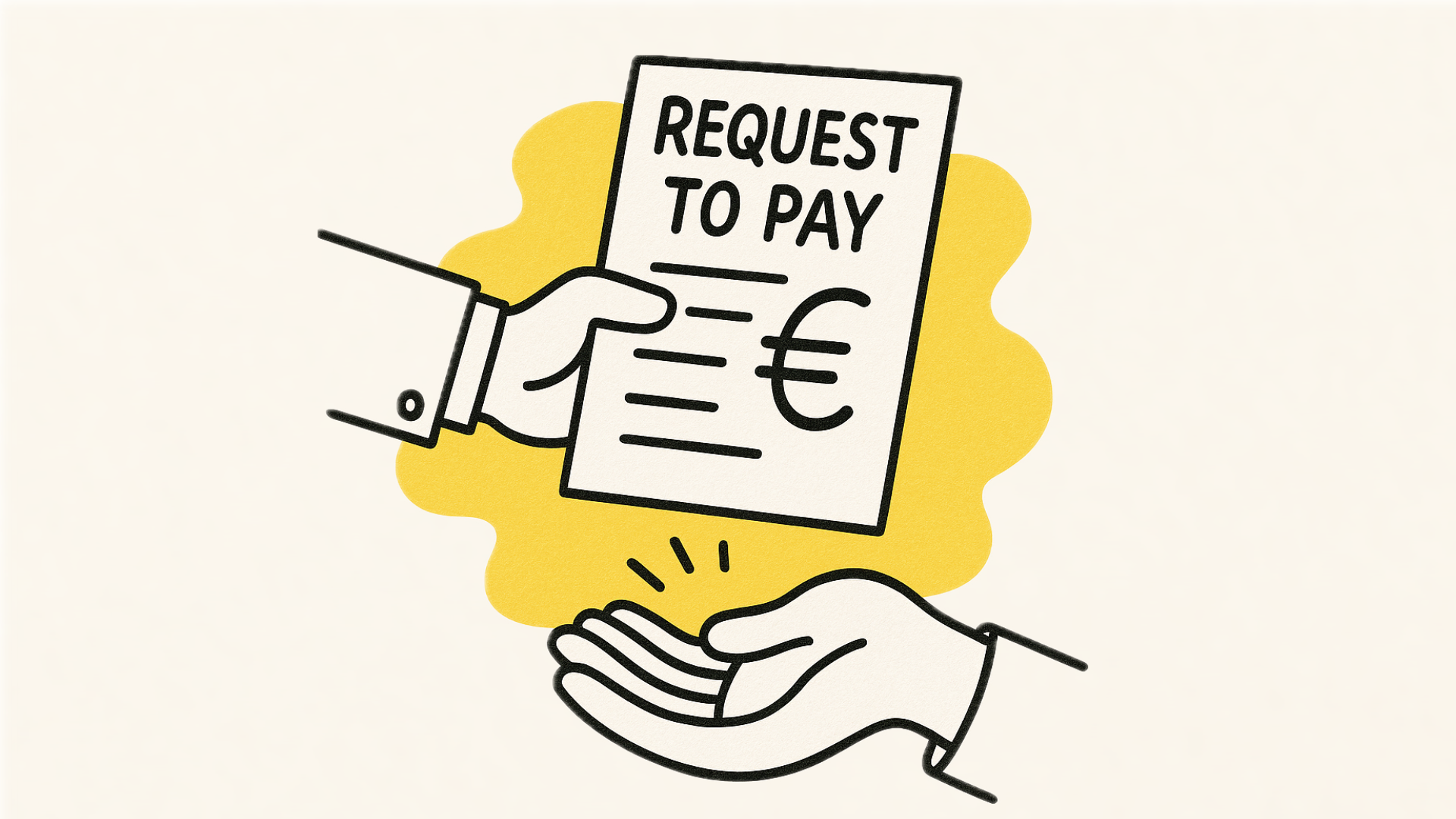
    Spanish banks BBVA and CaixaBank have completed Europe’s first interbank Request-to-Pay (RTP) transactions. In a live pilot during April and May 2025, the two banks – working with clearing house Iberpay – processed payee-initiated requests in a controlled test environment. Each request was instantly settled via SEPA instant transfer once approved by the payer, demonstrating seamless real-time execution.

    The pilot, governed by the EPC’s SEPA RTP scheme and cleared by Iberpay, confirmed that instant rails can support RTP 24/7. With full interoperability and immediate settlement achieved, this marks a significant step toward digitising non‑recurring payments such as invoices and public charges across the SEPA region.


    What is RTP?

    In this context, “RTP” (Request-to-Pay) refers to a payment protocol built on real-time rails. Under the EPC’s SEPA RTP scheme, a payee (for example, a vendor or service provider) sends a digital request for payment to the payer (such as a customer or debtor). The payer can immediately authorize the request, at which point the payment is sent by instant transfer and becomes available to the payee instantly. This is fundamentally different from traditional SEPA Credit Transfers or one-off direct debits, which typically involve batch processing and slower clearing times. By contrast, RTP operates continuously (24/7) and combines the convenience of digital invoicing with the immediacy of instant payments.

    • Payee-initiated workflow: Under RTP, the payment flow is inverted. The seller or service provider generates the payment request; the buyer then authorises it. This streamlines collections and gives the payer full control and confirmation. The funds move in real time as soon as approval is given .

    • Instant settlement: Because RTP leverages SEPA’s instant-payment rails, transactions clear immediately.  Once approved, funds are received “ready to spend” in the recipient’s account. This eliminates the lag of traditional credit transfers (which can take hours or days) and is useful for time-sensitive B2B invoices or utility and tax payments.

    • Standardisation (EPC scheme): The SEPA Request-to-Pay (SRTP) scheme, developed by the European Payments Council, provides a unified technical and legal framework for these requests across all euro‑area countries. It was explicitly designed to digitize processes like business invoicing and public-sector charges, potentially replacing less efficient methods (for example, single-use direct debits).

    • Enhanced cash‑flow management: By modernising how payment requests work, RTP can speed up invoice payments and reduce reconciliation overhead.  Businesses no longer need to manually chase payments or wait for batch clearings; the request + approval model automates and accelerates the receivables cycle.

    Key Takeaways for Fintech Startups

    Here are five key insights fintech startup leaders should keep in mind as real-time payments move closer to mainstream adoption in Europe.

    • Early Adopters Will Lead: Startups that integrate RTP early can gain a clear edge. Spain already leads in instant payments, and adoption is rising across Europe. Adding real-time pay-request flows to apps or platforms helps attract customers seeking speed and control.

    • Embedded Payment Potential: RTP creates new embedded finance opportunities. Fintechs can build RTP into invoicing, ERP, or accounting software to offer clients seamless, on-platform payment experiences.

    • Be Standards-Ready: RTP is built on SEPA and EPC frameworks. Startups should align with SEPA RTP and ISO 20022 standards early to ensure compliance and readiness for broader rollout under PSD2/PSD3.

    • Innovate Around Use Cases: RTP unlocks models like instant bill pay, dynamic billing, and real-time financing. Fintechs in B2B, public services, or tax tech can build competitive features around these flows.

    • Collaborate to Scale: The pilot shows incumbents are serious about RTP. Fintechs should seek collaboration with banks, PSPs, or clearing houses to accelerate adoption and gain industry credibility.


    Want to explore how RTP could fit into your fintech strategy? Get in touch.

  • Revolut Announces €1 Billion France Expansion and Banking Licence Bid

    Revolut Announces €1 Billion France Expansion and Banking Licence Bid

    British fintech Revolut announced at President Macron’s Choose France investment summit that it will invest €1 billion in France over three years and apply for a French banking licence. The company plans to open a new Paris office for its Western European operations and create at least 200 new jobs in France as part of the investment. This builds on Revolut’s existing French presence – the firm already employs roughly 300 people in France – and comes after it secured a UK banking licence in mid‑2024, following a three‑year approval process.  Revolut also confirmed that its Lithuanian unit will remain a “key base” for its European growth. The Choose France summit itself is intended to attract major capital: President Macron said it is expected to bring more than €20 billion in foreign investment.

    These announcements underscore France’s drive to draw in fintech investment under the Choose France initiative.  Macron’s summit at Versailles has been explicitly aimed at securing large-scale foreign investment, and Revolut’s expansion is seen as a coup for the French tech scene.  (For context, Macron noted that over €20 billion in new investment commitments are expected from the event .)


    Recent Banking Licences for Revolut

    Revolut has secured banking licences in several markets in recent years. Verified examples include:

    • Recent Global Banking Licences for Revolut: Revolut has secured banking licences in several markets in recent years. Verified examples include:
    • United Kingdom (July 2024): Revolut received a full UK banking licence (entering a “mobilisation” phase) after a three-year application process.
    • Mexico (April 2024): Mexico’s National Banking and Securities Commission authorised Revolut as a multiple banking institution, granting it a full banking licence.
    • Lithuania / European Union (December 2021): The European Central Bank approved a full EU banking licence for Revolut via its Lithuanian subsidiary.
    • Belgium (2022–2025): Revolut operates in Belgium under its EU banking licence through a registered branch. In 2022, it began offering full banking services in Belgium, including deposit protection. In 2025, it introduced Belgian IBANs and started migrating accounts from Lithuanian to Belgian identifiers.

    Each of these licences has allowed Revolut to broaden its services (deposits, loans, payments) in the respective market. The licence in Lithuania (via ECB approval) especially underpins Revolut’s EU-wide banking operations, even as it now pursues a French licence.