
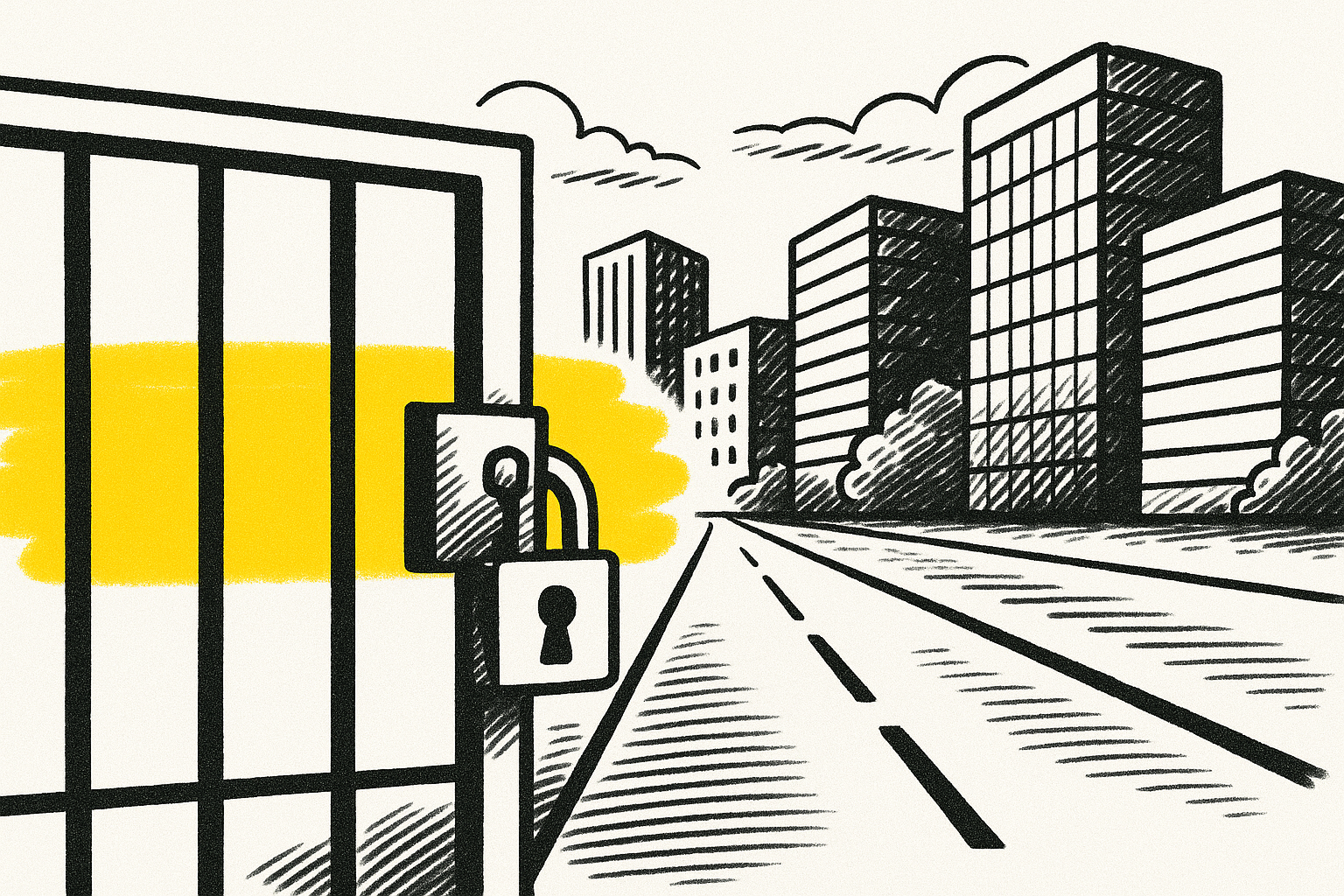

Jamie Dimon just reminded fintechs who’s in charge of the pipes.
JPMorgan Chase is preparing to charge fintech firms like Plaid and Intuit for access to user financial data via APIs. If you’re building a product that connects to banks, this hits close to home.
The backlash was immediate. Industry advocates argue this move could stifle competition, crush smaller players, and roll back progress on consumer control over financial data. JPMorgan’s stance? Infrastructure isn’t free; and it’s time someone else footed part of the bill.
Let’s unpack that, because this isn’t just a one-bank, one-time dispute. It’s a warning shot for the entire fintech ecosystem.
The free API era might be coming to an end
Fintechs have flourished thanks to easy, often free access to banking data. Aggregators like Plaid, Tink, and TrueLayer have built networks of bank connections, making it seamless for startups to deliver budgeting apps, credit tools, neobanking features, and more.
But here’s the catch: much of that access depends on unregulated agreements with major banks. And now those banks — especially in the US — are starting to push back.
JPMorgan’s answer is practical: maintaining secure, high-throughput APIs takes money and manpower. Why should fintechs get a free ride when banks are footing the infrastructure bill?
Fintechs counter that this undermines consumer choice and tilts the playing field. If only the biggest startups can afford the tolls, innovation slows — and the industry regresses toward old monopolies.
Europe, for once, isn’t the problem
In the EU and UK, Open Banking regulation has made data access a right, not a favor. Banks are required to offer standardized APIs for account information and payment initiation — at no cost.
It’s not perfect. Implementation varies. Coverage gaps remain. But the regulatory baseline protects access.
The US, by contrast, still lacks federal-level Open Banking mandates. Banks like JPMorgan can negotiate one-on-one deals with aggregators — and set terms as they see fit. So when they say, “We’re going to start charging,” there’s little legal friction to stop them. That’s what makes this moment different: it’s not just technical — it’s political.
So what’s the risk for fintechs?
This is about more than a single API. It’s about control, and who gets to shape the next phase of fintech infrastructure.
JPMorgan isn’t just collecting tolls — they’re reshaping the roads. And if other banks follow, it may get a lot more expensive to offer products built on user-permissioned data.
Startups that depend heavily on bank APIs (e.g. PFM tools, lending models based on transaction history, cash flow forecasting apps) may suddenly face margin pressure or access limits. Even if you’re not directly connected to JPMorgan today, market norms are shifting.
Key takeaways for fintech startups
Here’s what fintech founders, CPOs, and strategy leads should keep in mind:
- Platform risk is real. If you rely on third-party APIs, assume the rules — and costs — may change suddenly.
- US Open Banking is fragile. Without strong regulation, banks can set their own terms. Europe and the UK offer more stability (for now).
- Consumer data ≠ data access. User permission doesn’t guarantee a startup’s access to infrastructure.
- Expect pricing pressure. Banks see value in their APIs — and they want a cut of the upside.
- Think ecosystem, not extraction. Partnering with banks might become more important than disrupting them.
If your roadmap assumes free access to account data, now’s the time to stress-test your business model. Can you pay for data access and still scale profitably? Can you differentiate beyond aggregation?
If not, you’re building on sand.
At Your Fintech Story, we help startups build resilient strategies — ones that hold up when the ecosystem shifts under your feet. Want a second opinion on your model?


