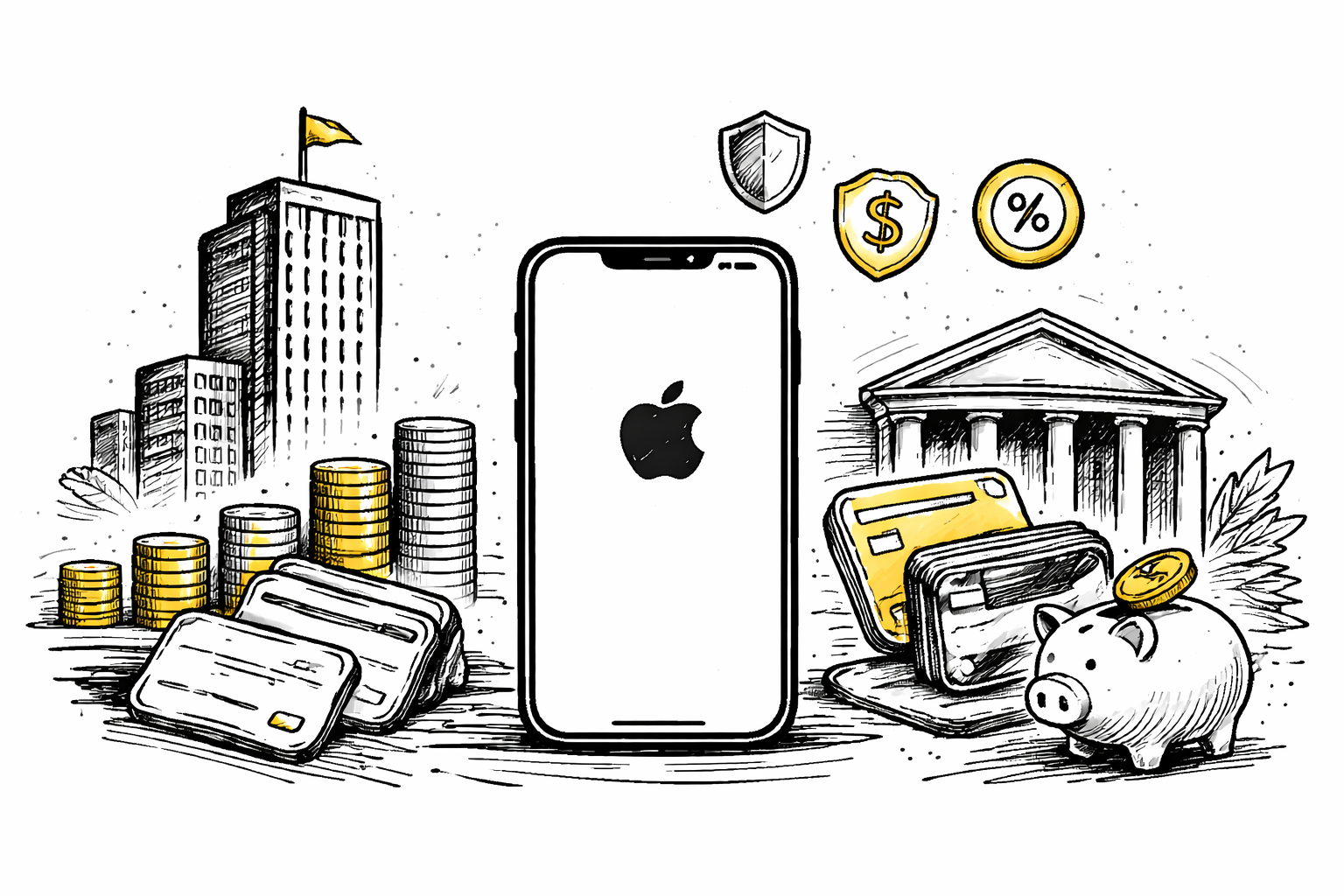
Apple has confirmed that Chase will become the new issuer of Apple Card, replacing Goldman Sachs over a transition period of roughly 24 months. The announcement closes one chapter in Apple’s financial services journey and opens a more conventional one.
Apple Card launched in 2019 with a clear ambition. A credit card designed around transparency, simplicity, and tight integration with the iPhone. That positioning resonated strongly with users. What changes now is not the product experience, but the banking partner operating behind the scenes.
Why Goldman Sachs is stepping back
Goldman Sachs entered consumer banking with high expectations, and Apple Card was its most visible move. Over time, the economics proved harder than anticipated. Credit cards require scale, long-term investment, and a tolerance for relatively thin margins.
Goldman has since narrowed its consumer focus and shifted attention back to areas where it has deeper expertise and stronger returns. Exiting the Apple Card program fits that recalibration. It reflects a strategic realignment rather than a rejection of the product itself.
Why Chase is stepping in
For Chase, Apple Card represents a very different opportunity. Chase already operates one of the largest and most mature credit card businesses globally. It brings underwriting experience, servicing scale, regulatory infrastructure, and balance sheet strength.
By taking over as issuer, Chase gains exposure to a highly engaged, premium customer base without needing to build the user experience layer. Apple continues to control design, onboarding, and day-to-day interaction. Chase focuses on what it already does well.
What changes for users and what does not
From a customer perspective, continuity is the central message. Apple has stated that users can continue using Apple Card as normal throughout the transition. There is no requirement to reapply.
Core features remain intact. Daily Cash rewards, Family sharing, Monthly Installments, and in-app account management stay in place. The payment network also remains unchanged. The issuer transition is intentionally designed to be low-friction and largely invisible to users.
The bigger fintech lesson
This move highlights a familiar dynamic in fintech. Technology companies excel at experience, distribution, and engagement. Banks excel at regulation, credit risk, and operating at scale.
Apple Card works because Apple does not try to be a bank. The new setup works because the bank does not try to be a consumer tech company. Clear separation of roles tends to produce more resilient partnerships over time.
Key takeaways for fintech startups
There are a few practical lessons worth pulling out.
- Strong user experience can survive changes in underlying infrastructure
- Consumer credit rewards scale and operational maturity
- Partnerships evolve as strategic priorities change
- Stability matters more than novelty during transitions
- Clear role ownership reduces long-term friction
If you are building or scaling a fintech product and need support with strategy, positioning, or partner decisions, Your Fintech Story works with founders facing exactly these challenges. Reach out and let’s shape the next chapter together.