
Day: November 28, 2025

  • How POM’s acquisition of FarPay signals a new phase for European invoicing fintech

    How POM’s acquisition of FarPay signals a new phase for European invoicing fintech

    The news comes from the portal EU-Startups, which reported that Dutch fintech POM has acquired Danish invoicing automation company FarPay. The story frames the deal as a strategic step toward building a stronger European position in invoice-to-cash automation.


    A closer look at the companies involved

    POM is active in digital payments, payment requests and receivables management. It built a reputation on simplifying customer payment flows and helping organisations streamline how they collect money.

    FarPay operates in the invoicing automation space. Its platform focuses on generating invoices, sending them at the right moment and connecting them directly to payment methods. It also manages follow-up actions and improves accuracy in the payment lifecycle.

    Together, these capabilities cover a large part of the invoice-to-cash chain. The acquisition effectively combines invoicing, payment processing and debtor follow-up in one group.


    What EU-Startups highlighted

    According to the reporting, FarPay will continue operating under its own brand. Its team and management remain in place, and the company keeps its base in Denmark. The arrangement allows FarPay to maintain its expertise while benefiting from the scale of the broader POM Group.

    EU-Startups also noted the role of Vortex Capital Partners. Their support helped POM structure and accelerate the acquisition, giving the Dutch company more confidence as it expands deeper into Northern Europe.


    What this means for POM

    POM strengthens its geographic footprint. Until now, the company had a solid position in Belgium, the Netherlands and Germany. Adding a Danish operation gives the group better coverage across the Nordics and more room to grow its product suite.

    POM also gains technical depth. FarPay’s focus on automated invoicing complements POM’s existing payments and receivables expertise. The combined stack aims to deliver a cleaner, more connected workflow from invoice creation to completed payment.


    What this means for the broader market

    The deal reflects a pattern that is becoming more visible in European fintech. As the market matures, companies look for scale, integration and cross-border presence. Smaller specialised solutions often feel pressure to join forces with players that can offer broader value.

    Businesses using these tools increasingly want fewer vendors and fewer integrations. They expect one place to manage invoicing, payment options, reminders and reconciliation. The POM and FarPay combination fits that direction.


    Key takeaways for fintech startups

    A short summary for founders and C-level teams:

    • Integrated platforms often win when customers want fewer steps and cleaner workflows.

    • Expanding into new regions can accelerate growth more than adding incremental features.

    • Combining complementary capabilities can strengthen product positioning overnight.

    • Consolidation in B2B financial automation is increasing, which influences how startups plan product and market strategy.

    If you want support in positioning your fintech for growth or navigating market shifts like this one, Your Fintech Story can help you shape a clear and competitive strategy. Contact us.
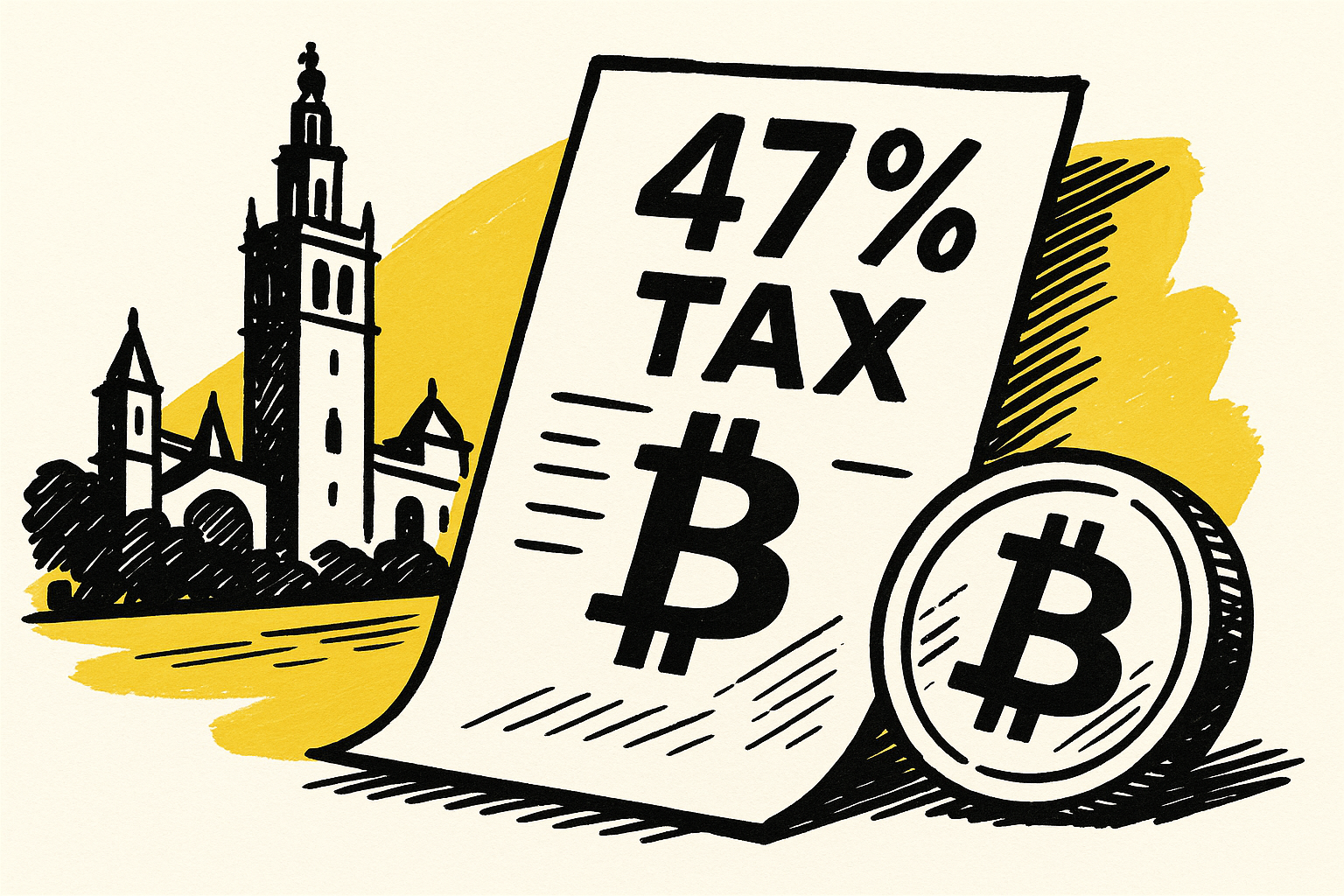
  • A 47% Crypto Tax Is Now on the Table in Spain

    A 47% Crypto Tax Is Now on the Table in Spain

    Spain is reviewing a proposal that would raise the tax rate on personal cryptocurrency gains to as high as 47 percent. The plan was introduced by Sumar, one of the parties in the governing coalition. It would move crypto profits from the savings income category into the general income bracket, where the top rate reaches 47 percent. Today, the highest tax on savings income sits around 30 percent, so this change would be a significant jump for frequent traders and high earners.


    Corporate Taxes Stay Where They Are

    For companies, the picture is more familiar. Corporate gains from crypto would continue to be taxed at 30 percent. That is consistent with Spain’s standard corporate tax rate. The personal income change is the part that is drawing attention from investors and industry professionals.


    Extra Investor Protection Measures

    Sumar’s amendment package includes more than tax changes. One proposal would require the CNMV to introduce a traffic light style risk label for crypto products offered on investment platforms. The goal is to make the risk level of each product clearer for retail investors before they buy or trade.

    The package also includes language that classifies all cryptocurrencies as assets that could be seized in enforcement actions. Specialists have raised concerns about how this would work in practice when assets sit in self-custody and cannot be accessed like traditional financial instruments.


    Expert Pushback and Public Reaction

    Spanish tax professionals and crypto industry voices have been critical of the proposed top rate. Many warn that a 47 percent ceiling could reduce local activity or drive investors toward jurisdictions with more predictable or lower tax treatment. Several experts also questioned the feasibility of enforcing seizure rules for self-custodied assets.


    The Legislative Status Today

    The Spanish government has not formally endorsed the 47 percent rate. The proposal currently sits within parliamentary discussions and would need wider political support before advancing. For now, it remains a trigger for debate rather than a confirmed change to the tax code.


    Key takeaways for fintech startups

    A short note before the bullets to highlight what matters for founders.

    • Spain may shift personal crypto gains into a tax bracket that reaches 47 percent.

    • Corporate gains remain taxed at 30 percent.

    • The proposal includes a required risk labeling system for platforms.

    • Experts have questioned enforcement feasibility for self-custodied assets.

    • Nothing is final. The proposal is still at the parliamentary stage.

    Your Fintech Story can help you prepare, adjust and communicate effectively as the situation evolves. Get in touch.