Day: October 29, 2025

  • Don’t Force Another App: What Husk Teaches About User-Centric Fintech

    Don’t Force Another App: What Husk Teaches About User-Centric Fintech

    Most users are tired of installing new apps. For fintech founders, this is a reminder that simplicity often wins. Users Don’t Want “One More App”.

    App fatigue is everywhere. People already use apps for groceries, lights, and banking. When asked to install another one for expense management, many simply don’t bother. And they have a point: most expense tools still involve clumsy OCR, manual categorization, or multiple logins. Each extra step creates friction and lowers adoption.

    That’s why Husk, a Brussels-based fintech helping startups manage expenses, is trying a different approach.

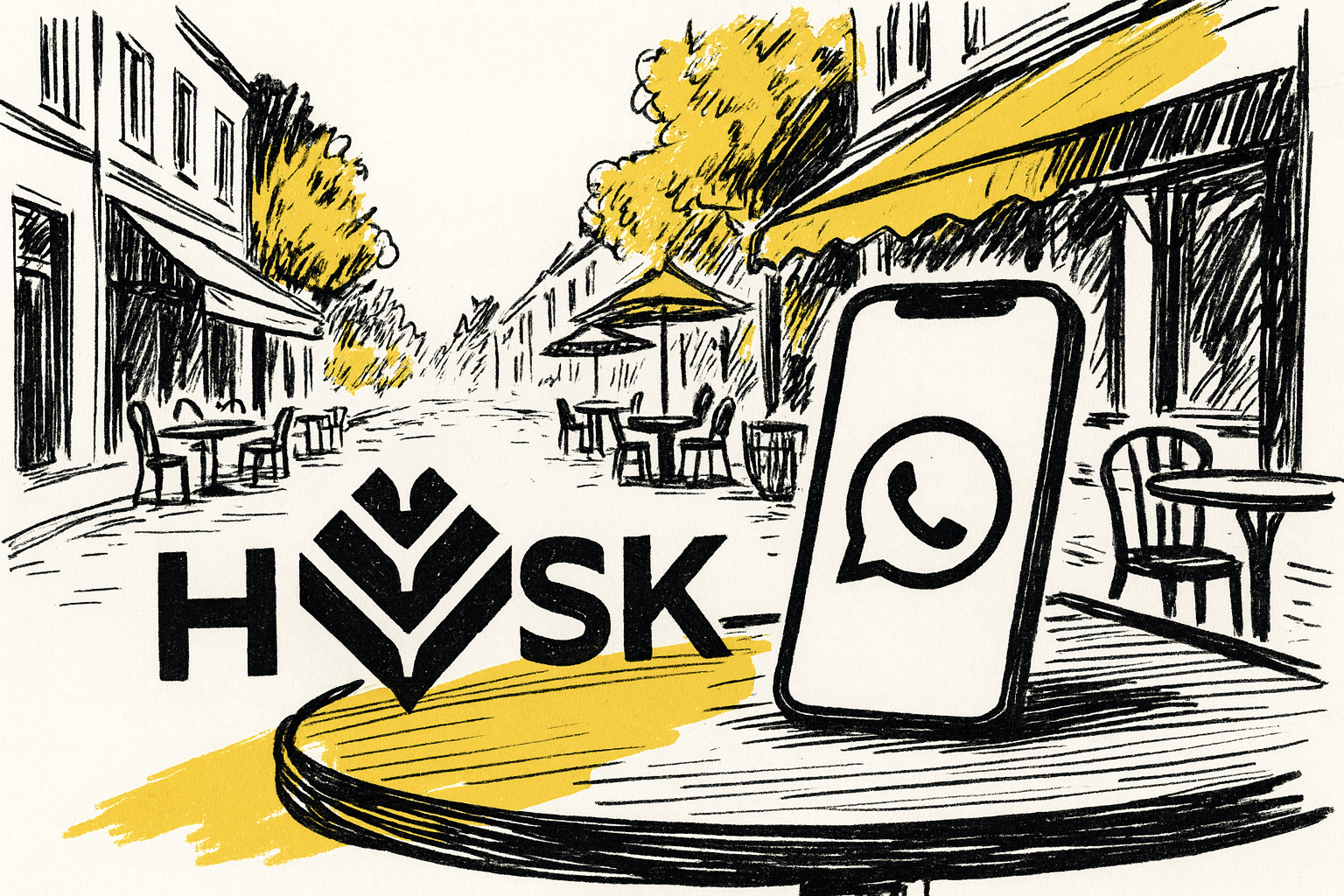
    Instead of developing a standalone app, Husk began testing a WhatsApp-based expense submission feature. In a recent post, co-founder Christophe Sion described how he sent a photo of a coffee receipt to Husk on WhatsApp and received a reply seconds later confirming the expense had been categorized and logged.

    No app to install. No account setup. Just a message.

    The feature was officially rolled out yesterday (29 October 2025), as confirmed to us directly by Christophe Sion, co-founder and CEO of Husk, after we reached out for clarification.


    Why This Approach Matters

    Submitting a receipt through WhatsApp might seem like a small change, yet it removes nearly all the usual friction points. Users already know how to take a photo and send a message. There’s no learning curve, no onboarding process, and no forgotten passwords.

    Other expense tools, such as Capture Expense and Veryfi, have adopted similar WhatsApp integrations. The trend reflects a wider shift in fintech towards embedded convenience; delivering services through familiar platforms rather than forcing users into new ones.

    It’s also a subtle reminder that user experience is about removing barriers. When a task feels effortless, people do it more often and with less resistance.


    Key takeaways for fintech startups

    Here are a few lessons for founders building products in competitive markets:

    • Don’t ask users to download unless it truly adds value

    • Build around channels they already use, such as WhatsApp or email

    • Simplify every interaction you can

    • Convenience drives adoption more than features do

    • The best product often feels invisible

    Want to build fintech products people actually use?

    Get in touch with Your Fintech Story. We help startups grow by turning smart ideas into effortless experiences.
  • Mastercard and PayPal set the stage for AI-driven commerce

    Mastercard and PayPal set the stage for AI-driven commerce

    When two global payments leaders team up, it usually means a shift in how money moves. Mastercard and PayPal are now expanding their partnership to bring artificial intelligence into everyday payments.

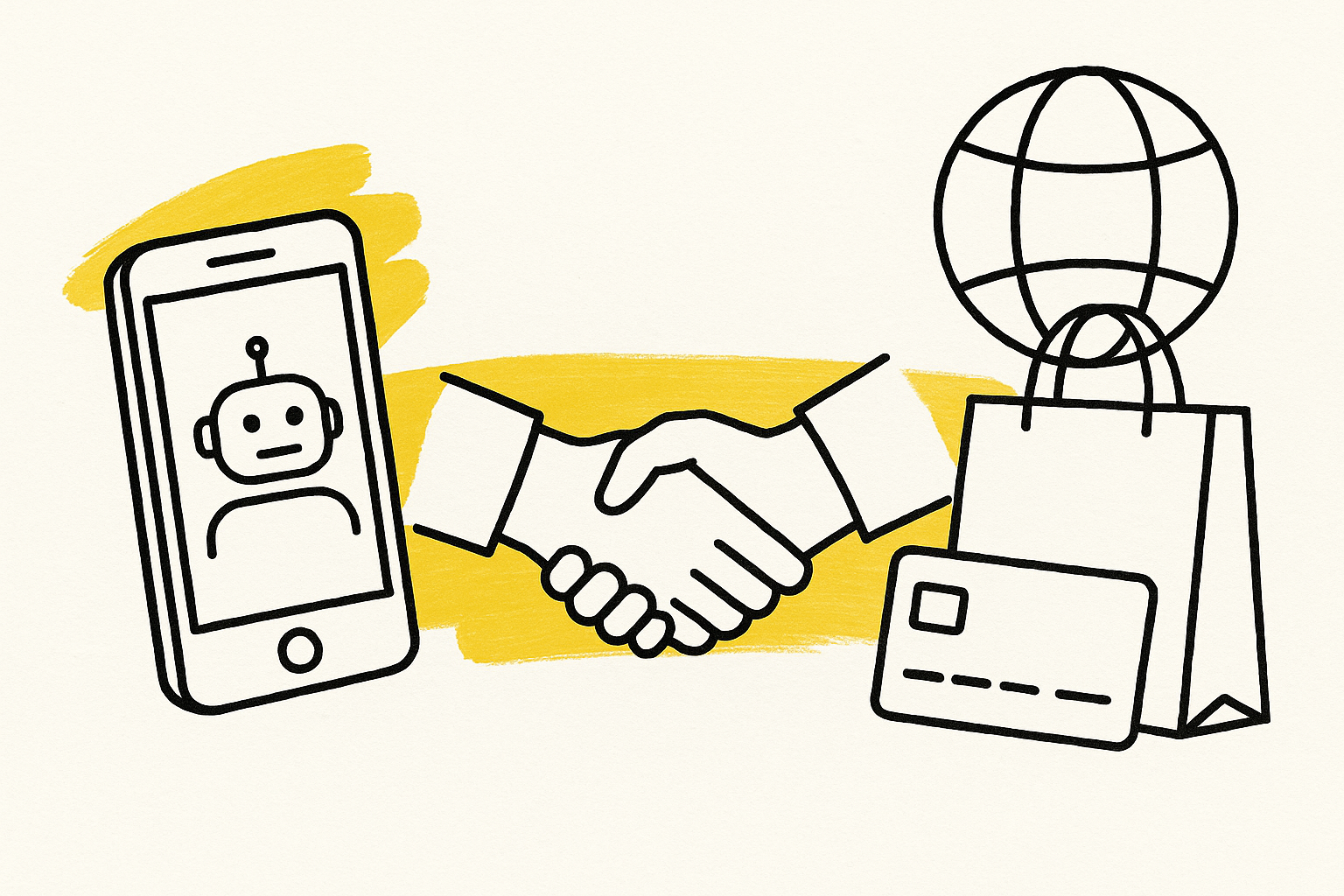
    On 27 October 2025, Mastercard announced it is deepening its relationship with PayPal to enable what it calls agentic commerce. The idea is simple but powerful: letting AI agents make purchases and manage transactions on behalf of people.

    The new setup connects Mastercard’s Agent Pay platform with PayPal’s digital wallet.

    This integration should let hundreds of millions of consumers and tens of millions of merchants worldwide complete payments initiated by AI agents, while still using the same credentials and security layers they already trust.

    PayPal will pilot Mastercard’s Agent Pay Acceptance Framework, helping develop and test the merchant flows, APIs, and security protocols that make this work.

    In practice, it could look like this. A user asks an AI agent to find a product. The agent identifies a trusted merchant, retrieves the user’s stored PayPal details, and completes the payment over Mastercard’s network. It happens securely, in the background, with minimal user friction.


    Why it matters

    This partnership marks a concrete step toward mainstream AI commerce. Both companies describe it as an early foundation for a future where software agents can interact directly with merchants.

    Importantly, Mastercard highlights that merchants already using PayPal won’t need major technical changes to participate. That point alone could accelerate adoption, especially for smaller businesses.

    Security also remains at the center of the design. The system relies on credential tokenization, authentication, and Mastercard’s existing risk frameworks to ensure transactions initiated by AI agents are still traceable and safe.

    And because both Mastercard and PayPal operate in more than 200 markets, the pilot phase could scale quickly once the framework is validated.


    What to watch

    For fintech startups, this is a signal that the concept of “agent commerce” is moving from theory to infrastructure. Mastercard’s framework may become an industry reference point for how AI agents authenticate, interact with merchants, and finalize payments.

    It also opens a layer of opportunity. Startups could build complementary services for merchants, like tools that manage AI-initiated orders, streamline settlement, or monitor compliance. The same kind of innovation that grew around online payments a decade ago could now emerge around agent-based payments.


    Key takeaways for fintech startups

    Here’s what this partnership suggests for founders watching the payment space:

    • AI-driven commerce is entering a real implementation phase.
    • Lower merchant barriers mean faster ecosystem adoption.
    • Security, trust, and interoperability will define who scales.
    • Building on top of card and wallet networks may prove smarter than trying to replace them.

    If you want to understand how your fintech can align with the next wave of payment innovation, reach out to Your Fintech Story. We help startups turn strategy into growth in an evolving fintech landscape.