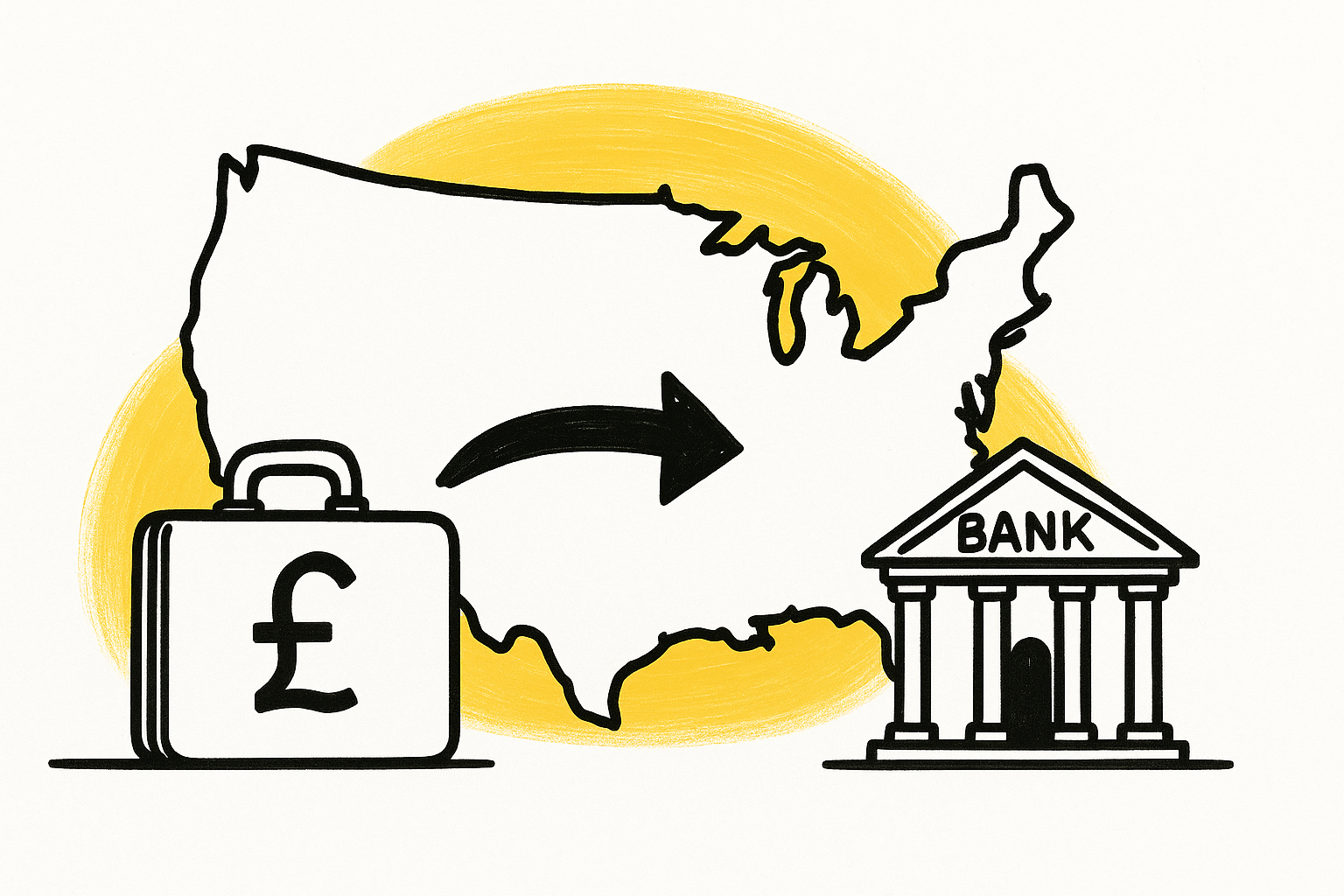
Fintech founder Charlie Javice has been sentenced to about seven years in prison for defrauding JPMorgan. Her startup, Frank – a platform meant to simplify student financial aid – was acquired by the bank in 2021 for roughly $175 million.
The problem? Prosecutors showed she had grossly exaggerated Frank’s user numbers, presenting a fake list of millions of customers when the platform actually had only around 300,000 . JPMorgan CEO Jamie Dimon later called the acquisition “a huge mistake” .
Once the bank emailed Frank’s supposed customer base, it became clear the numbers didn’t add up. Prosecutors described the deal as JPMorgan buying “a crime scene”. The result was a conviction for bank, wire, and securities fraud, and an 85-month sentence.
Frank’s rise and fall illustrates something every fintech founder already knows but sometimes forgets: metrics are currency. When those metrics are fabricated, the whole business case collapses.
Why this matters for fintech M&A
Large banks and investors often rely heavily on reported user numbers when deciding whether to acquire or fund a fintech. In Frank’s case, the deal moved forward at a $175 million price tag based on those inflated metrics. When JPMorgan tried to validate the customer list after the acquisition, the discrepancy was obvious and the entire transaction unraveled. For startups, this shows how a single weak point in data integrity can derail even the most promising exit.
What fintech founders should take away
This isn’t about piling on an individual story. It’s about structural lessons for startups operating in a space where trust and numbers go hand in hand.
- Report numbers you can prove. Frank claimed over 4 million users when it actually had about 300,000. That gap destroyed credibility once examined.
- Keep your data auditable. If someone questions your metrics, you should be able to show the trail – from sign-ups to active usage.
- Make verification easy. Acquirers and investors will check, if not before then certainly after. JPMorgan’s verification attempt quickly revealed the truth.
- Build an ethical culture. Recognition and press (Frank’s founder even landed on a 30 Under 30 list ) can’t shield a startup if its foundations aren’t honest.
- Plan for scrutiny. Regulators, buyers, and partners will dig into your claims. Strong compliance practices should be part of your company DNA from day one.
Final thought
The Frank–JPMorgan saga is a reminder: in fintech, your reputation and your numbers are inseparable. Growth stories only work if the data behind them is real and defensible.
Want to make sure your startup’s story stands on solid ground? Reach out to Your Fintech Story – we help founders grow with strategy, clarity, and credibility.