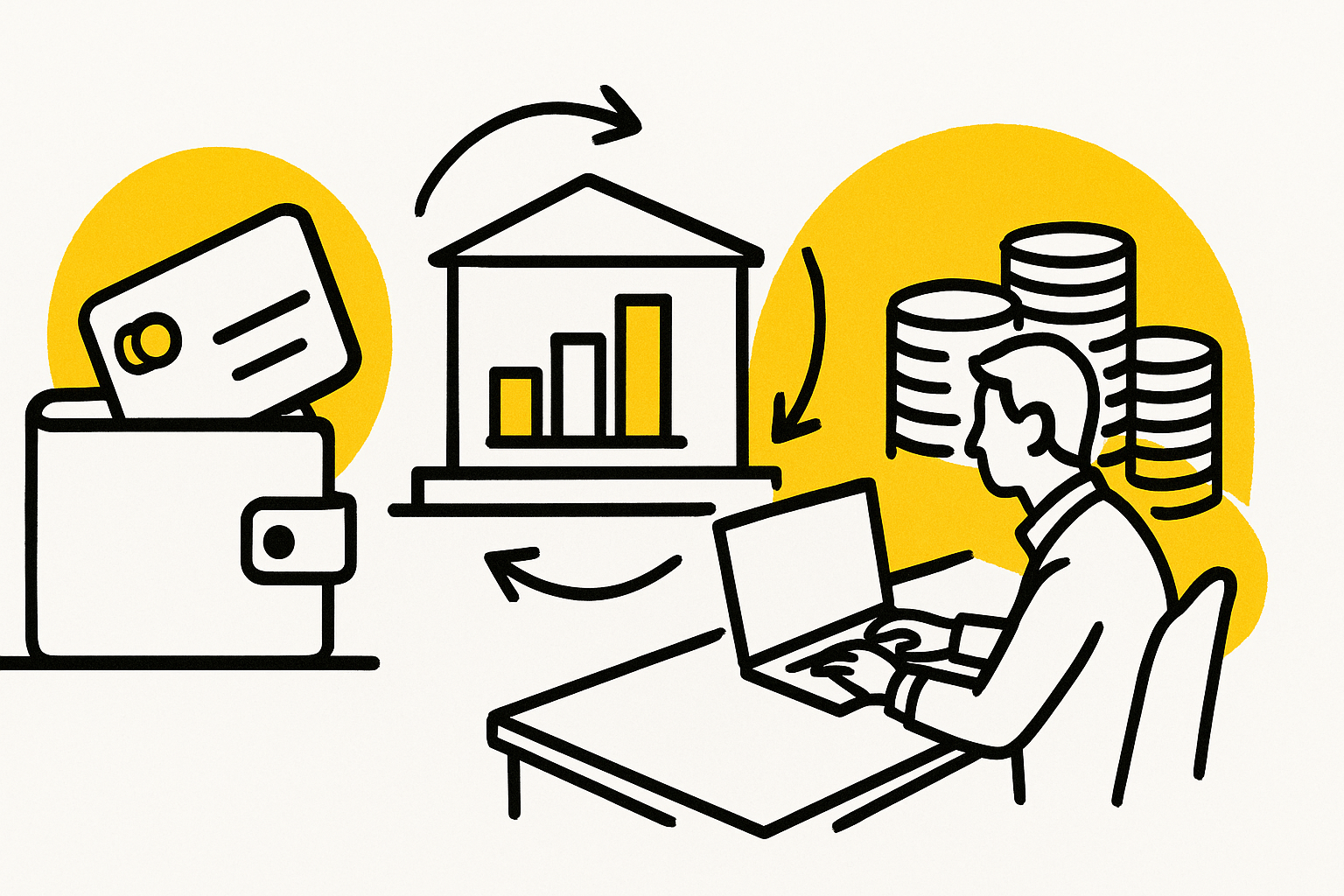
If you’ve ever worked on the supplier side of B2B payments, you know the pain: virtual cards promise fast payments, but processing them is tedious. Someone has to manually enter card numbers, match them to invoices, and reconcile the mess afterward.
That’s exactly the friction Mastercard Receivables Manager set out to remove. And it’s now live in the US, UK, EU — and rolling out globally.
What It Does (And Why It Matters)
Launched in 2023, Receivables Manager automates how suppliers accept and reconcile virtual card payments. Instead of manually dealing with one-off card numbers and partial remittance data, the platform pulls in payments from all issuers, matches them to open invoices, and sends clean data straight into the supplier’s ERP or accounting system.
The result? Faster processing, fewer errors, better cash flow visibility — and fewer AR team headaches.
Mastercard built it with scalability in mind: minimal setup for banks and fintech partners, and a plug-and-play model for global expansion. It’s already being used by acquiring banks and fintech platforms in the US, Europe, and the Middle East.
What About the Competition?
Visa and Amex are rolling out their own AR automation tools. And startups like Billtrust, Boost, and TreviPay are also circling the space. Everyone’s trying to solve the same problem: make virtual card acceptance easier for suppliers.
That level of activity confirms one thing — this isn’t just a niche problem. Automating receivables is becoming table stakes for B2B fintech infrastructure.
Why Fintech Startups Should Pay Attention
Receivables Manager isn’t just a product; it’s a signal. It shows where B2B payments are headed — toward automation, data standardization, and platform integrations. That opens doors for fintechs building on top of ERP systems, payment rails, or supplier-side tools.
Whether you’re working in payables, invoicing, or embedded finance, the space around B2B reconciliation is heating up.
Key takeaways for fintech startups
A few quick lessons from Mastercard’s move:
- Manual reconciliation is a big pain point — and solving it creates real value.
- Digital card payments are growing, especially in B2B. This is a good time to build around them.
- Partnerships drive scale — Mastercard worked with fintechs and banks to roll this out globally.
- The AR side of payments is under-innovated, especially outside the US. There’s room for niche plays.
- Cash flow visibility still sells — if your product improves it, highlight that.
If you’re building in B2B payments or curious about where this space is headed, let’s chat. Your Fintech Story helps early-stage fintechs refine strategy, positioning, and go-to-market — especially when the market’s moving fast.