Day: July 28, 2025

  • Monzo’s ÂŁ21M Fine: A Lesson in Compliance for Fintech Startups

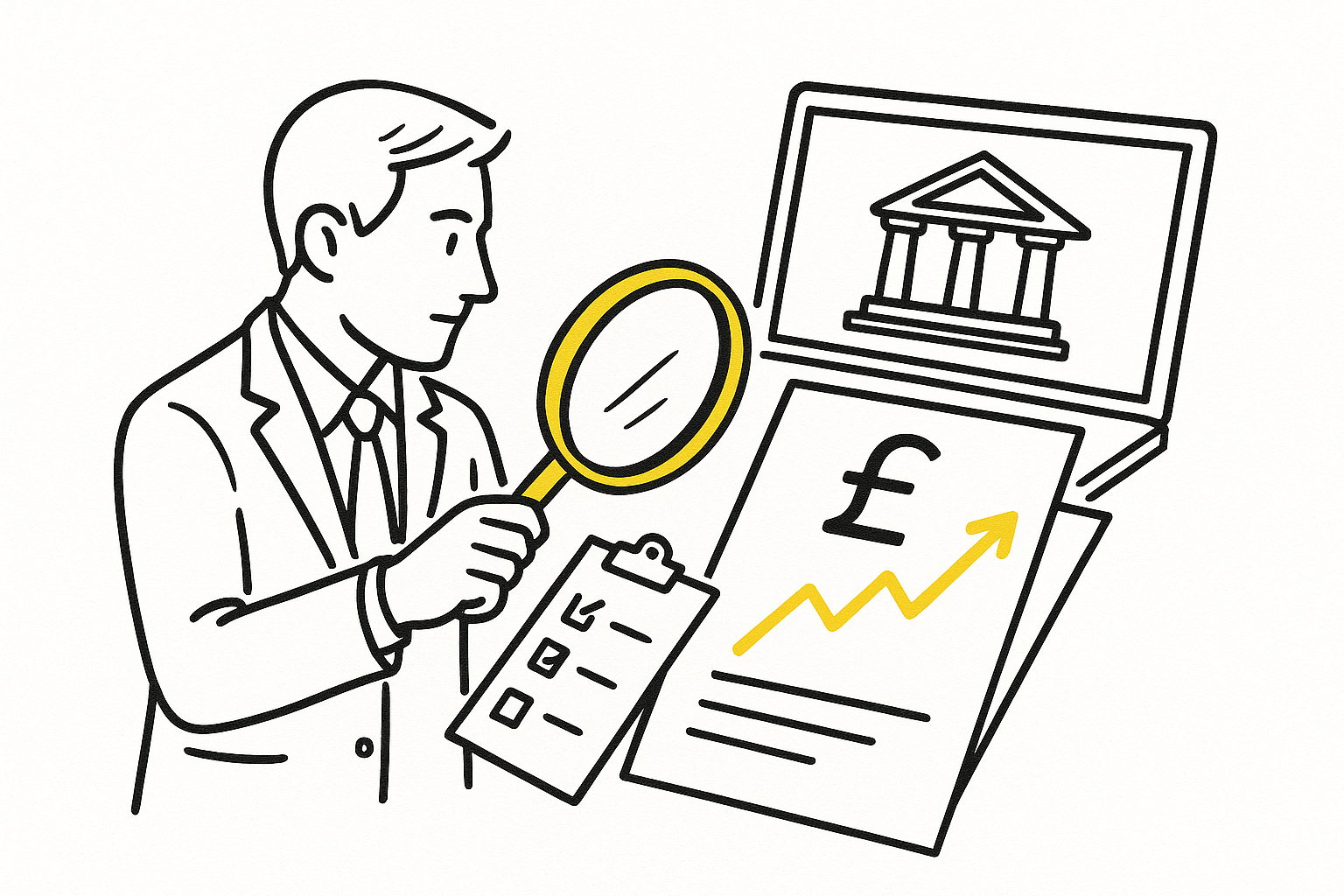
    Monzo’s £21M Fine: A Lesson in Compliance for Fintech Startups

    When one of the UK’s best-known digital banks gets fined £21 million, the fintech world pays attention.

    That’s exactly what happened to Monzo after regulators uncovered some painful truths about its compliance setup. Turns out, the bank was letting people open accounts using addresses like 10 Downing Street and Buckingham Palace. And no, it wasn’t a joke.

    For fintech startups, this isn’t just another headline. It’s a warning.


    When growth outpaces controls

    Between 2018 and 2022, Monzo exploded from 600,000 users to nearly 6 million.

    What didn’t grow fast enough? Its internal systems to handle risk, fraud, and onboarding checks. The FCA found that Monzo’s controls were so weak, customers could enter obviously fake addresses and still pass KYC.

    Worse still, Monzo was under a formal regulatory restriction during this time. It was told not to onboard high-risk customers. It did it anyway. Repeatedly.


    Frictionless onboarding is great — until it backfires

    Startups love smooth onboarding flows. But Monzo’s went too far.

    The bank didn’t properly verify addresses. Some users signed up with P.O. boxes or foreign addresses with UK postcodes. Others used the same address multiple times, a common sign of money muling.

    Some customers even ordered cards to different countries than the one they signed up in. And nobody caught it in time.

    The result? High-risk accounts slipped through the cracks. And Monzo ended up violating the very rules it was meant to follow.


    Regulatory warnings aren’t optional

    In 2020, the FCA formally told Monzo: stop opening accounts for high-risk users until you sort your systems out.

    Monzo agreed. And then opened more than 33,000 of them.

    Turns out, many employees didn’t even know the restriction existed. Or didn’t understand how serious it was.

    That kind of internal breakdown is exactly what regulators look for when deciding whether to fine you. And how much.


    Monitoring doesn’t stop after onboarding

    Monzo didn’t just fall short on Day 1 checks. It also failed to monitor existing accounts properly.

    It didn’t regularly ask how customers intended to use their accounts. It didn’t verify if activity matched that purpose. It didn’t update information over time.

    All of which made it harder to spot suspicious behavior. And easier for criminals to slip through.


    Compliance costs less than a scandal

    Monzo cooperated with the investigation. That knocked the fine down from ÂŁ30 million to ÂŁ21 million.

    But the brand damage? That’s harder to measure.

    This isn’t the kind of headline any startup wants. Especially when your whole value proposition depends on customer trust.

    The company says it’s fixed the problems. And maybe it has. But the lesson for other fintechs is simple: it’s cheaper to do it right the first time.


    Key takeaways for fintech startups

    Here’s what you should take from Monzo’s experience:

    • Compliance needs to scale with growth. If your user base is growing fast, your controls need to grow faster.

    • Don’t skip address verification. Obvious fakes should never make it past onboarding.

    • Take regulatory restrictions seriously. If the FCA says “stop,” stop.

    • Keep monitoring after sign-up. Ongoing checks are just as important as first-day checks.

    • Invest in risk and compliance early. It’s a lot cheaper than fines and crisis PR later.

    Want help making your fintech startup bulletproof from day one?

    Get in touch with Your Fintech Story, we help startups grow with strong strategies, smart structures, and serious compliance thinking.
  • When Your Data Isn’t Really Yours: What JPMorgan’s Move Means for Fintechs

    When Your Data Isn’t Really Yours: What JPMorgan’s Move Means for Fintechs

    Jamie Dimon just reminded fintechs who’s in charge of the pipes.

    JPMorgan Chase is preparing to charge fintech firms like Plaid and Intuit for access to user financial data via APIs. If you’re building a product that connects to banks, this hits close to home.

    The backlash was immediate. Industry advocates argue this move could stifle competition, crush smaller players, and roll back progress on consumer control over financial data. JPMorgan’s stance? Infrastructure isn’t free; and it’s time someone else footed part of the bill.

    Let’s unpack that, because this isn’t just a one-bank, one-time dispute. It’s a warning shot for the entire fintech ecosystem.


    The free API era might be coming to an end

    Fintechs have flourished thanks to easy, often free access to banking data. Aggregators like Plaid, Tink, and TrueLayer have built networks of bank connections, making it seamless for startups to deliver budgeting apps, credit tools, neobanking features, and more.

    But here’s the catch: much of that access depends on unregulated agreements with major banks. And now those banks — especially in the US — are starting to push back.

    JPMorgan’s answer is practical: maintaining secure, high-throughput APIs takes money and manpower. Why should fintechs get a free ride when banks are footing the infrastructure bill?

    Fintechs counter that this undermines consumer choice and tilts the playing field. If only the biggest startups can afford the tolls, innovation slows — and the industry regresses toward old monopolies.


    Europe, for once, isn’t the problem

    In the EU and UK, Open Banking regulation has made data access a right, not a favor. Banks are required to offer standardized APIs for account information and payment initiation — at no cost.

    It’s not perfect. Implementation varies. Coverage gaps remain. But the regulatory baseline protects access.

    The US, by contrast, still lacks federal-level Open Banking mandates. Banks like JPMorgan can negotiate one-on-one deals with aggregators — and set terms as they see fit. So when they say, “We’re going to start charging,” there’s little legal friction to stop them. That’s what makes this moment different: it’s not just technical — it’s political.


    So what’s the risk for fintechs?

    This is about more than a single API. It’s about control, and who gets to shape the next phase of fintech infrastructure.

    JPMorgan isn’t just collecting tolls — they’re reshaping the roads. And if other banks follow, it may get a lot more expensive to offer products built on user-permissioned data.

    Startups that depend heavily on bank APIs (e.g. PFM tools, lending models based on transaction history, cash flow forecasting apps) may suddenly face margin pressure or access limits. Even if you’re not directly connected to JPMorgan today, market norms are shifting.

    Key takeaways for fintech startups

    Here’s what fintech founders, CPOs, and strategy leads should keep in mind:

    • Platform risk is real. If you rely on third-party APIs, assume the rules — and costs — may change suddenly.

    • US Open Banking is fragile. Without strong regulation, banks can set their own terms. Europe and the UK offer more stability (for now).

    • Consumer data ≠ data access. User permission doesn’t guarantee a startup’s access to infrastructure.

    • Expect pricing pressure. Banks see value in their APIs — and they want a cut of the upside.

    • Think ecosystem, not extraction. Partnering with banks might become more important than disrupting them.

    If your roadmap assumes free access to account data, now’s the time to stress-test your business model. Can you pay for data access and still scale profitably? Can you differentiate beyond aggregation?

    If not, you’re building on sand.

    At Your Fintech Story, we help startups build resilient strategies — ones that hold up when the ecosystem shifts under your feet. Want a second opinion on your model?

    Let’s talk.