Day: May 20, 2025

  • What Fintechs Can Learn from Ontik, the ‘Stripe for Trade Credit’

    What Fintechs Can Learn from Ontik, the ‘Stripe for Trade Credit’

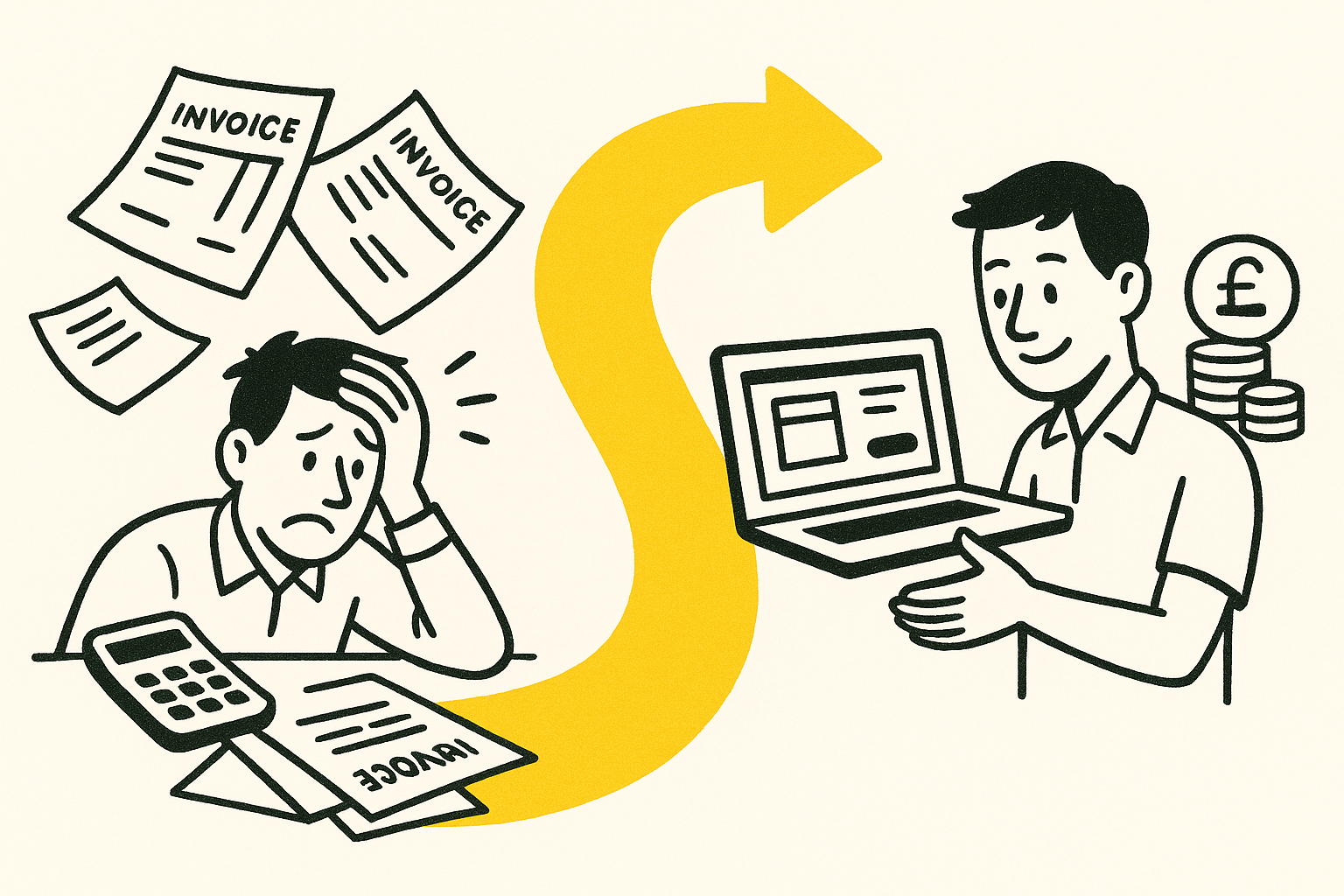
    London-based fintech Ontik (founded in 2023) is tackling one of the last manual corners of the economy – trade credit for wholesale merchants. Co‑founders Chris and John Smith, both with backgrounds in the trade industry, built Ontik to replace pen‑and‑paper invoicing and chasing with a digital platform. “Payment operations built for B2B wholesalers” is how Ontik markets itself: the platform lets builders’ merchants and other traders send branded payment requests, track accounts, and collect money without filing cabinets or spreadsheets.


    A Digital Overhaul for B2B Payments

    Ontik’s platform automates the full order-to-cash cycle: from issuing credit terms to generating invoices and proof-of-delivery, and sending branded payment links via email, SMS, or WhatsApp. It tracks real-time engagement, auto-follows overdue invoices, and integrates with ERPs like Merlin, Unleashed, and Intact to simplify reconciliation. Clients report collecting payments 30% faster, spending 60% less time on admin, and reducing card fees by 25%.

    “Ontik is doing for trade credit what Stripe did for online payments.”

    — Sam Endacott, Partner at Firstminute Capital


    Targeting the £100 billion UK building materials market, Ontik delivers modern B2B payment tools to a sector long reliant on manual processes. This focus has resonated with investors: in May 2025, the startup raised a $3.7 million seed round led by Firstminute Capital, with backing from FJ Labs, Tiny VC, PT1, and angels like the founders of Slack and Affirm.

    Now scaling fast, Ontik has rolled out to 30+ merchant branches and claims over £1 billion in transaction volume in its pipeline. With 30% month-on-month growth and seamless ERP integration, Ontik is positioning itself as the Stripe of trade credit.


    Why Ontik’s Strategy Works

    Ontik’s success stems from a combination of factors. The Smith brothers’ prior experience in wholesale (including past startup exits) gives them deep domain insight. The product directly addresses a clear pain point – the headache of manual billing – with simple, tangible benefits for busy finance teams. At the same time, Ontik’s use of AI and automation enables it to deliver measurable ROI (e.g. faster payments and lower fees) that customers and investors can easily understand.

    Finally, the startup is benefitting from a broader trend: investors are hungry for “vertical fintech” solutions that modernise offline sectors. Ontik’s positioning as a “Stripe for the real economy” highlights how a clear niche focus and strong execution can lead a fintech to rapid growth even in a crowded market.


    Key takeaways for fintech startups:

    Ontik’s story offers several practical lessons for founders building in fintech:

    • Target underserved, traditional sectors with a clear, urgent pain point

    • Leverage domain expertise to design solutions customers actually adopt

    • Integrate with existing tools (like ERPs) to reduce friction in adoption

    • Show tangible ROI with real numbers (e.g. time saved, faster payments)

    • Build investor trust through clear positioning, strong metrics, and endorsements


    Looking to achieve traction in your niche? Your Fintech Story provides strategic support to help fintech startups grow with focus and clarity. Get in touch to learn more.
  • BBVA and CaixaBank Launch Europe’s First Interbank RTP Transactions: What It Means for Fintech

    BBVA and CaixaBank Launch Europe’s First Interbank RTP Transactions: What It Means for Fintech

    Spanish banks BBVA and CaixaBank have completed Europe’s first interbank Request-to-Pay (RTP) transactions. In a live pilot during April and May 2025, the two banks – working with clearing house Iberpay – processed payee-initiated requests in a controlled test environment. Each request was instantly settled via SEPA instant transfer once approved by the payer, demonstrating seamless real-time execution.

    The pilot, governed by the EPC’s SEPA RTP scheme and cleared by Iberpay, confirmed that instant rails can support RTP 24/7. With full interoperability and immediate settlement achieved, this marks a significant step toward digitising non‑recurring payments such as invoices and public charges across the SEPA region.


    What is RTP?

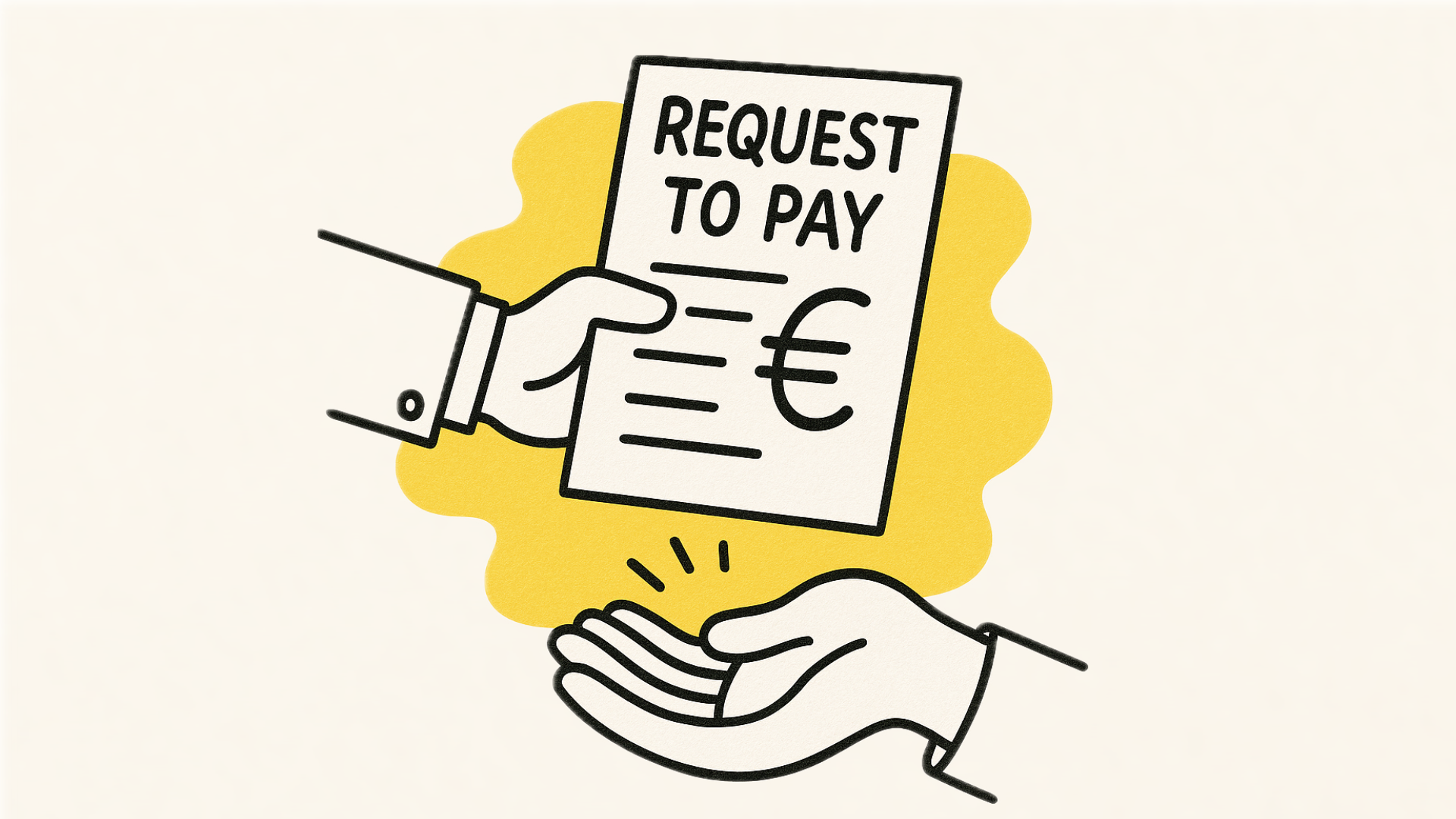
    In this context, “RTP” (Request-to-Pay) refers to a payment protocol built on real-time rails. Under the EPC’s SEPA RTP scheme, a payee (for example, a vendor or service provider) sends a digital request for payment to the payer (such as a customer or debtor). The payer can immediately authorize the request, at which point the payment is sent by instant transfer and becomes available to the payee instantly. This is fundamentally different from traditional SEPA Credit Transfers or one-off direct debits, which typically involve batch processing and slower clearing times. By contrast, RTP operates continuously (24/7) and combines the convenience of digital invoicing with the immediacy of instant payments.

    • Payee-initiated workflow: Under RTP, the payment flow is inverted. The seller or service provider generates the payment request; the buyer then authorises it. This streamlines collections and gives the payer full control and confirmation. The funds move in real time as soon as approval is given .

    • Instant settlement: Because RTP leverages SEPA’s instant-payment rails, transactions clear immediately.  Once approved, funds are received “ready to spend” in the recipient’s account. This eliminates the lag of traditional credit transfers (which can take hours or days) and is useful for time-sensitive B2B invoices or utility and tax payments.

    • Standardisation (EPC scheme): The SEPA Request-to-Pay (SRTP) scheme, developed by the European Payments Council, provides a unified technical and legal framework for these requests across all euro‑area countries. It was explicitly designed to digitize processes like business invoicing and public-sector charges, potentially replacing less efficient methods (for example, single-use direct debits).

    • Enhanced cash‑flow management: By modernising how payment requests work, RTP can speed up invoice payments and reduce reconciliation overhead.  Businesses no longer need to manually chase payments or wait for batch clearings; the request + approval model automates and accelerates the receivables cycle.

    Key Takeaways for Fintech Startups

    Here are five key insights fintech startup leaders should keep in mind as real-time payments move closer to mainstream adoption in Europe.

    • Early Adopters Will Lead: Startups that integrate RTP early can gain a clear edge. Spain already leads in instant payments, and adoption is rising across Europe. Adding real-time pay-request flows to apps or platforms helps attract customers seeking speed and control.

    • Embedded Payment Potential: RTP creates new embedded finance opportunities. Fintechs can build RTP into invoicing, ERP, or accounting software to offer clients seamless, on-platform payment experiences.

    • Be Standards-Ready: RTP is built on SEPA and EPC frameworks. Startups should align with SEPA RTP and ISO 20022 standards early to ensure compliance and readiness for broader rollout under PSD2/PSD3.

    • Innovate Around Use Cases: RTP unlocks models like instant bill pay, dynamic billing, and real-time financing. Fintechs in B2B, public services, or tax tech can build competitive features around these flows.

    • Collaborate to Scale: The pilot shows incumbents are serious about RTP. Fintechs should seek collaboration with banks, PSPs, or clearing houses to accelerate adoption and gain industry credibility.


    Want to explore how RTP could fit into your fintech strategy? Get in touch.